
Category

Home

Category

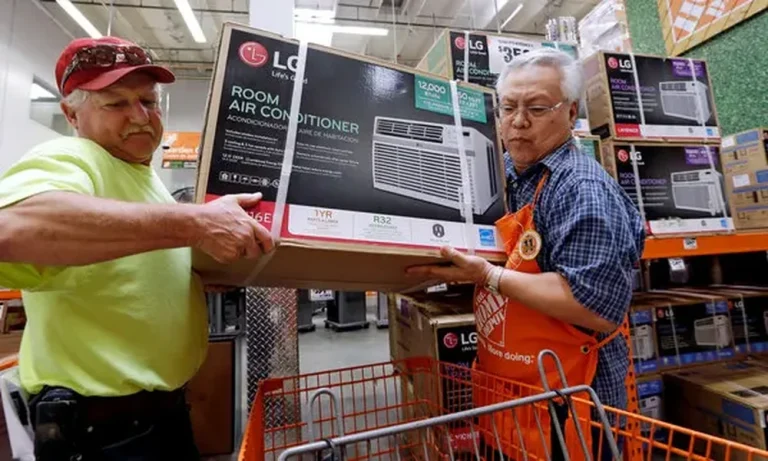
Ninety percent of American homes now depend on technology that was, within your grandparents’ lifetimes, considered an exotic luxury for the very wealthy. The spread of residential air conditioning is one of the fastest adoption stories in the history of consumer technology, and it reshaped where Americans chose to live, how they built their houses, and what they expected out of a summer afternoon.

Understanding how that happened makes you a smarter homeowner today. Because the arc of AC history runs straight from Willis Carrier’s industrial boiler rooms right into the decision you’ll eventually face: keep the unit running or call it done.

Before the Window Unit, There Was Literally Nothing

Willis Carrier invented mechanical air conditioning in 1902. The technology wasn’t dreamed up for your comfort. It was built to control humidity in a Brooklyn printing plant so that paper wouldn’t warp and ink would stay aligned through New York’s humid summers. Comfort was an accidental discovery.

For the next four decades, AC lived almost entirely in commercial spaces. Movie theaters were the most famous use case. Hot New York summers drove locals indoors specifically because theaters had cooling systems, and historians credit this migration with inventing the concept of the summer blockbuster. Department stores, office buildings, and hospitals adopted the technology through the 1930s and 40s, but homes were a different story entirely.

The first room air conditioner built for residential use appeared in 1932, and its price tag was staggering relative to average wages. Manufacturing remained expensive, compressors were loud, and the average postwar bungalow wasn’t designed around the idea of mechanical cooling at all. According to the U.S. Energy Information Administration, 48 percent of all energy consumption in American homes results from cooling and heating combined , a figure that reflects just how central these systems have become, though in 1945 that sentence would have been nearly meaningless for most families. You can trace the full arc of the technology through the U.S. Department of Energy’s history of air conditioning, which documents each turning point from Carrier’s first patent forward.

The 30-Year Sprint That Changed Everything

The real story begins in 1955. Postwar prosperity had put factories back to work, and mass production had finally pulled room air conditioner prices down to something a middle-class household could consider. What followed was extraordinary.

In 1955, fewer than 2% of the nation’s residences had any form of air conditioning. By 1980, over half were air conditioned, and over a quarter had central air , according to research published in the journal Explorations in Economic History on the spread of residential AC between 1955 and 1980. That’s a jump from near-zero to majority adoption in a single generation. No other home appliance moved that fast across that wide a population. The peer-reviewed study documents this regional adoption data across every U.S. census division.

Geography mattered enormously. The South led the charge, driven by humidity and heat that made comfort genuinely difficult without mechanical cooling. Texas, Oklahoma, and Louisiana were among the first states to hit high adoption numbers. The Northeast lagged, partly because its milder summers made the investment harder to justify, and partly because older housing stock in those states was built with thick walls and shade trees rather than ductwork.

“The years between 1950 and 1980 saw the transformation of residential air conditioning from a rare luxury to a common feature of American life.”

Explorations in Economic History, 2008, as cited in peer-reviewed research on U.S. residential cooling adoption

Central air conditioning, the kind that moves through your home’s ductwork and conditions every room at once, didn’t really arrive in new home construction until the late 1960s. Before that, you bought window units room by room. The shift to central systems changed how builders designed floor plans, how home prices were calculated, and how buyers evaluated properties.

Where Things Stand Right Now

The adoption curve has essentially flattened because there’s almost nowhere left to grow. According to the U.S. Energy Information Administration’s 2020 Residential Energy Consumption Survey, 88% of U.S. households use air conditioning. That number is essentially a ceiling given that the holdouts are concentrated in Alaska, along the temperate Pacific Coast, and in older apartment buildings where installation is structurally complicated.

The Midwest and South Census Regions had the highest percentages of households using AC in 2020, at 92% and 93% respectively , according to that same EIA survey. Ohio, which sits in the Midwest region, fits squarely in that high-adoption band. Summers in Dayton and Cincinnati are genuinely humid and hot enough that a home without cooling isn’t really a comfortable home from June through August. The full EIA 2020 RECS report breaks this down further by housing type, climate region, and construction era.

The other shift worth noting is generational. Homes built before 1950 lag in AC adoption because retrofitting ductwork into an older structure is expensive and sometimes structurally impractical. Newer construction almost universally includes central systems from the foundation up. If your home is 70 years old and still running the window unit your parents installed, you’re part of a shrinking cohort.

The Repair-or-Replace Decision: A Practical Framework

Here’s where history becomes personal. Most central AC systems last between 15 and 20 years under normal use. The country’s massive mid-century and 1980s installation wave means a huge share of operating systems are either already past their prime or approaching it fast.

Use what HVAC professionals call the 5,000 Rule to make the call: multiply the unit’s age in years by the estimated repair cost in dollars. If that number exceeds 5,000, replacement almost always wins on cost over the next five years. If it comes in under 5,000, a quality repair makes financial sense.

Unit Age (Years) Repair Quote Age x Cost 5,000 Rule Verdict
5 $600 $3,000 Repair
10 $450 $4,500 Repair
14 $380 $5,320 Replace
16 $700 $11,200 Replace immediately

Consider what we can call The Dayton Scenario: a 15-year-old central unit cools the house fine for nine months of the year, but every July it struggles and throws an error code. A technician quotes $520 to replace the capacitor and recharge refrigerant. That’s 15 x $520, or $7,800 on the 5,000 Rule. The math says replace. But if that same tech quotes $180 to clean the coils and adjust the refrigerant level, the calculation becomes 15 x $180, or $2,700. Repair wins.

The variable no table captures is technician quality. A good diagnosis before any repair quote is worth as much as the rule itself. Homeowners who need AC repair in Cincinnati, OH, benefit most from a certified technician who can separate a genuine end-of-life system from a unit with years of service left that just needs a targeted fix.

The Honest Bottom Line

Air conditioning went from a factory humidity solution to a fixture in nearly every American home in roughly 60 years. That adoption wave created the modern expectation of year-round comfort, changed American migration patterns, and built an entire service industry around keeping these systems alive.

Your system is one node in that 120-year arc. The question isn’t whether it will eventually need replacing. It will. The question is whether the unit in your attic right now has another season or another decade left, and the only way to answer that honestly is with a technician who treats the diagnosis as seriously as the repair itself. What’s your unit telling you this summer?
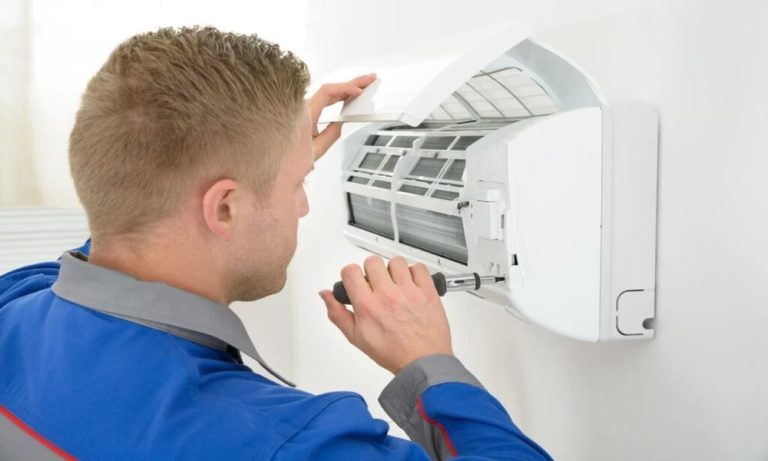

Keeping an HVAC system in good condition requires more than occasional attention. In Springfield, where temperatures shift between hot summers and cold winters, the timing of maintenance plays a direct role in how well the system performs. Servicing at the right point in the year helps avoid sudden breakdowns and ensures steady indoor comfort.

Many homeowners schedule maintenance too late, sometimes after problems begin to appear. Those looking for HVAC repair and installation in Springfield MO, can benefit from setting service dates before peak usage periods. Early servicing allows technicians to inspect components, clean buildup, and address wear before the system is pushed to work harder.

Spring Is The Best Time To Service Cooling Systems

Spring stands out as the most effective time to prepare air conditioning units. During this season, temperatures remain moderate, giving technicians enough flexibility to inspect and fine-tune the system without urgency. Tasks such as cleaning coils, checking refrigerant levels, and testing airflow can be completed thoroughly.

Servicing in spring ensures that the system is ready before consistent heat arrives. This preparation reduces strain on the unit and supports stable cooling performance throughout the summer months.

Fall Is The Right Time To Service Heating Systems

Fall provides the ideal opportunity to prepare heating systems for colder conditions. Scheduling maintenance during this time allows technicians to check critical components such as burners, ignition systems, and airflow paths. These checks help ensure that the system operates safely and efficiently once temperatures drop.

Completing service in the fall helps prevent disruptions during winter. A properly maintained heating system delivers consistent warmth and reduces the likelihood of unexpected failures when it is needed most.

Early Season Scheduling Helps Avoid Peak Demand

Booking HVAC service at the beginning of spring or fall helps avoid the busy periods when demand for repairs increases. During peak summer and winter months, service availability sometimes becomes limited, and response times may extend.

Early scheduling allows more time for careful inspection and necessary adjustments. It also provides an opportunity to fix minor issues before they develop into larger concerns that require extensive repairs.

Mid-Season Checks Can Support Continuous Performance

In some cases, systems benefit from a brief inspection during high-use seasons. A quick check during summer or winter can confirm that the system continues to operate as expected. This step is especially useful for systems that run continuously for long periods.

Homeowners who rely on HVAC repair and installation in Springfield MO, sometimes use mid-season checks to maintain efficiency and ensure consistent performance throughout extreme weather conditions.

Consistent Timing Supports Year-Round Comfort

Sticking to a regular service schedule aligned with spring and fall creates a reliable maintenance routine. This approach keeps systems prepared for both cooling and heating demands without unnecessary stress on components.

Maintaining consistent timing also helps track system performance over time. With regular servicing, small changes in operation can be identified early, allowing for timely adjustments that support long-term efficiency.

Tips For Finding Reliable HVAC Professionals For Pre-Season Servicing

Reliable technicians prioritize early-season servicing and conduct thorough system checks before summer and winter. Their approach focuses on preparing equipment ahead of demand rather than reacting to breakdowns. Choosing experienced professionals helps ensure that servicing is done at the correct time with attention to detail. This reduces the chances of performance issues during extreme weather conditions.

Choosing the right time to service an HVAC system in Springfield helps maintain comfort, improve reliability, and reduce the chances of unexpected interruptions. Proper timing ensures that the system is always ready to handle seasonal demands without added strain.

A well-designed space speaks before any conversation begins. People notice colors, shapes, and visual balance as soon as they step into a room. Art plays a central role in shaping that first impression, and modern pieces bring a fresh and thoughtful character to interiors.

Buyers and designers now look beyond furniture and lighting to create meaningful environments. They aim to build spaces that reflect personality, purpose, and emotion. This article explains how modern art transforms both homes and business spaces through five powerful design outcomes.

1. Elevates Visual Identity

Modern artwork adds a unique signature to any setting. When people explore modern art for sale, they discover creations that break traditional boundaries and introduce bold ideas. These works help shape a distinct identity that sets a property apart from standard interiors. This approach allows each space to stand out with a memorable and refined visual presence.

In residential settings, art expresses personal taste and lifestyle. A carefully chosen painting or sculpture can reflect calmness, creativity, or energy. In commercial spaces, these pieces communicate brand values without using words. Offices, hotels, and retail stores benefit from a strong visual narrative that leaves a lasting impression on visitors.

2. Creates Emotional Connection

Art connects deeply with human emotions, and modern styles offer a wide range of expressions. Abstract forms, vibrant colors, and unconventional patterns evoke feelings that standard décor cannot achieve. As a result, spaces feel more engaging and memorable. This emotional depth strengthens the bond between people and the spaces they occupy.

For homeowners, this emotional layer enhances comfort and belonging. Guests feel welcomed, and everyday living becomes more enjoyable. In workplaces, art influences mood and productivity. Employees feel inspired in environments that stimulate creativity, while clients perceive a thoughtful and professional atmosphere.

3. Enhances Spatial Perception and Flow

Modern pieces play a strategic role in shaping how a room feels and functions. Designers use art to guide the eye and create balance within a layout. Large artworks can make a small area appear more expansive, while minimal pieces can bring calmness to a busy setting.

Consider the following ways art improves spatial dynamics:

  • Draws attention to focal points, such as feature walls or entry areas
  • Balances proportions between furniture and open space
  • Adds depth through layered textures and color contrasts
  • Guides movement within commercial layouts like galleries or offices

These effects help both residential and business interiors feel organized and visually appealing without overwhelming the viewer.

4. Strengthens Brand Story in Commercial Interiors

Businesses aim to create environments that align with their identity. Modern art supports this goal by offering creative storytelling through visuals. Each piece contributes to a cohesive message that customers can sense immediately.

For example, a bold and colorful artwork can suggest innovation and energy, while a subtle monochrome piece can communicate elegance and focus. When companies integrate modern art for sale into their interiors, they enhance customer experience and build stronger emotional connections. This thoughtful approach helps brands stand out in competitive markets.

5. Adds Long-Term Value to Interior Design

Investing in modern art goes beyond decoration. It contributes to the overall value of a property by elevating its aesthetic appeal. Buyers and visitors appreciate spaces that feel curated and intentional, which can influence perception and decision-making.

Art also evolves with time, allowing interiors to remain relevant without major renovations. A single piece can refresh an entire room and adapt to changing trends. This lasting impact makes modern artwork a smart addition for both private and professional environments.

Modern art reshapes how people experience interior spaces by combining creativity with purpose. It builds identity, inspires emotion, improves spatial design, and strengthens visual storytelling. As more individuals and businesses recognize its influence, art continues to redefine how environments look and feel.

Reception areas serve as the first line of defense for any business or public facility. Whether it’s a corporate headquarters or a busy administrative building, controlling access and managing visitors at the front desk is critical. In Houston, TX, employing a Houston security company with a strong reception-guarding program ensures that first impressions remain not just professional, but secure.

Highly trained reception guards play a dual role. They welcome visitors with poise and courtesy while rigorously enforcing sign-in procedures and access protocols. These personnel verify credentials, issue visitor badges, maintain logbooks, and challenge anyone without proper identification — all without undermining the welcoming atmosphere. Their presence acts as a deterrent to unauthorized entry, but also provides a human face to security.

Beyond welcome duties, reception officers must be prepared for emergencies. In the case of medical incidents, fire alarms or intruder alerts, they need to coordinate quickly with first responders, lead evacuations when necessary, and maintain calm under pressure. Their training often includes first aid, crisis response, and communication protocols, making them indispensable in a reception setting.

Surveillance technology supports their work. Through CCTV systems placed in lobbies, waiting areas, and entrances, reception guards gain real-time visibility of everything happening in front of and around the building. They monitor live feeds, spot suspicious behavior, and alert management or security teams proactively.

Documentation is another key function. Guards maintain daily activity logs and write up incidents in detailed reports, helping the property leadership review security performance, identify vulnerability trends, and refine protocols over time. This consistent reporting strengthens both operational effectiveness and accountability.

Selecting a security partner for reception areas requires more than just staffing. When a Dallas security company supports similar operations, sharing best practices across markets—from guard training modules to visitor management techniques—it creates a synergy that elevates protection standards everywhere.

By investing in a sophisticated, human-centric reception security model, administrators in Houston, TX can foster a secure and professional front door experience. Well-trained, alert reception guards backed by smart systems help maintain control while still projecting hospitality — the hallmark of elite security service.