
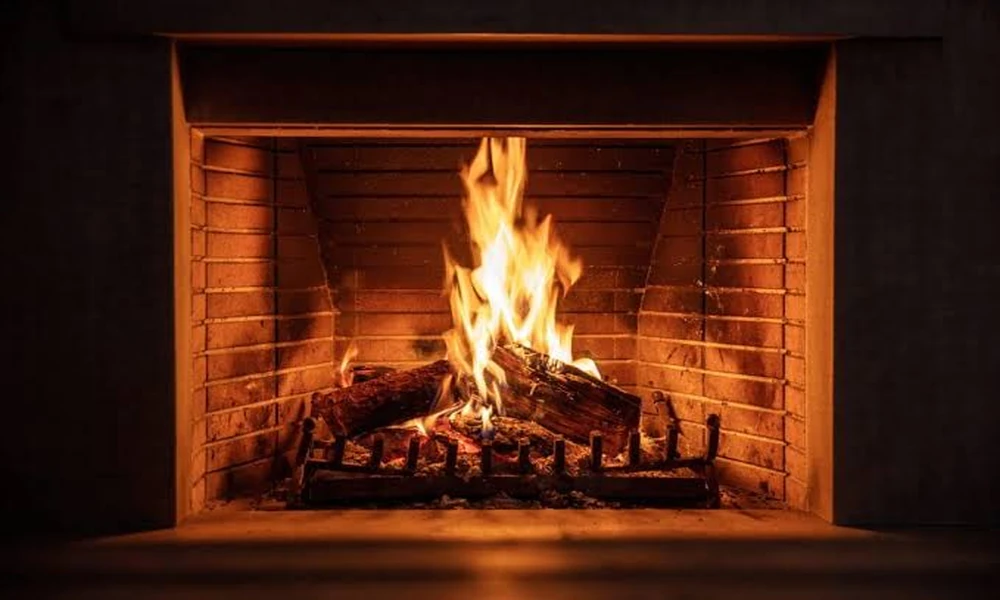
Most chimney fires announce themselves with a sound people describe the same way: a low rumble like a freight train going by overhead. By then, the creosote inside your flue is already burning. A sweep costs less than dinner out for two. The repair bill after a flue fire runs into the thousands, and that’s before you count the rooms that need repainting.
So here’s the short answer you came for. You need your chimney swept once a year if you burn wood regularly, and inspected once a year no matter what you burn. That’s the baseline the National Fire Protection Association has pushed for decades, and it’s the single most useful habit you can build around a fireplace. When you hire Albuquerque chimney cleaning experts, ask them to check creosote thickness as part of the visit. A sweep that skips that measurement is only half a job.
The rest of this piece is about the when and the why, because a calendar reminder alone won’t save your roof. What matters is understanding what collects in your flue, how fast it builds in a high-desert climate, and which warning signs mean you should call someone this week instead of next fall.
What Actually Builds Up Inside Your Flue
Smoke isn’t the problem. The problem is what smoke leaves behind as it cools on the way up.
Wood smoke carries unburned gases and vaporized compounds. When those gases hit the cooler walls of your flue, they condense into a tar-like substance called creosote. Soot is the dry, powdery cousin, and it’s far less dangerous on its own. Creosote is the one that kills, and it exists in three stages that matter enormously to your safety.
- Stage one: a flaky, dusty coating you can brush away with a stiff sweep. Normal.
- Stage two: a crusty, flakeable layer that’s harder to remove and burns hot when it ignites.
- Stage three: a glazed, hardened shell that looks almost like tar. It’s fuel, not residue, and it needs a professional rotary tool to remove.
Here’s my stance: if you’re seeing stage three, stop burning until someone qualified looks at it. I don’t care if it’s the middle of December and the family is coming over. A fire in the firebox is controllable. A fire in the flue is not.
How Often Should You Really Schedule a Sweep?
The annual rule is a floor, not a ceiling. Your actual frequency depends on how hard you run the fireplace.
| How you burn | Recommended sweep interval |
|---|---|
| Occasional use, a handful of fires per season | Every 12 months, plus an annual inspection |
| Regular winter use, several fires a week | Every 12 months, inspect at the mid-point |
| Primary heat source, burning most days | Every 6 to 8 months, ideally before and mid-season |
| Gas log fireplace or gas insert | Annual inspection, cleaning as needed |
That last row surprises people. A gas fireplace doesn’t produce creosote, so a lot of homeowners figure it needs nothing at all. Not true. Gas logs still throw off moisture and can attract debris, birds, and nesting material, and a blocked flue on a gas unit can push carbon monoxide straight back into the room. The U.S. Chemical Safety Board has studied carbon monoxide incidents for years, and blocked or improperly vented flues show up in that work repeatedly. An annual inspection is cheap insurance against the outcome nobody wants to think about.
The High-Desert Twist Nobody Mentions
Albuquerque’s climate changes the creosote math in ways folks from wetter parts of the country don’t expect.
Cold, dry nights followed by warm afternoons create wide temperature swings. Those swings cause the flue to expand and contract, and that motion cracks the residue loose in chips rather than letting it build in a smooth layer. Chips are good in one sense, since they’re easier to sweep. But they’re also unpredictable. A crusty deposit can sit quietly for two seasons and then flake free in a sheet, dropping onto the smoke shelf and narrowing the path for exhaust.
Our dry air also means people burn differently. Seasoned wood matters here. Wood that hasn’t dried properly burns cool, and cool smoke deposits creosote faster than anything else you can do. If you’re stacking wood against the house in October and burning it in November, you’re manufacturing stage two creosote on purpose. Buy seasoned wood a year ahead, or buy it from a supplier who kiln-dries it. That single habit does more for your flue than any additive you can buy at the hardware store.
A Simple Four-Step Pre-Season Routine
Run this in early fall, before the first cold snap has every sweep in town booked solid. Scheduling in October is how you end up waiting three weeks with a cold house.
- Look up the flue with a flashlight. A quarter inch of buildup is your signal to book a sweep. Black, glassy texture means call today.
- Open the damper and check for obstructions. Leaves, nests, and even a cracked damper plate restrict airflow. Poor draft is a fire risk, not just a smoky room.
- Check the cap and the exterior chase. A missing chimney cap is an open door for wildlife.
- Book the sweep and inspection as one appointment. Ask for a written report on creosote stage, and keep it. Next year’s sweep starts from that number.
One more thing worth knowing about your firebox. Wood stoves and fireplaces don’t burn clean when they smolder, and smoldering is exactly what a wet log does. The Environmental Protection Agency maintains guidance on wood-burning appliances and their emissions, and the practical takeaway for a homeowner is simple. Hot, brisk fires with dry wood leave less behind than slow ones with damp fuel. Getting that right cuts your creosote volume noticeably.
The Warning Signs That Mean Call Now
Some problems can wait for the fall. These can’t.
A strong smoky smell in the house when the fireplace isn’t lit points to a draft reversal or a serious blockage. A dark stain on the ceiling or wall near the chimney is a moisture and creosote signature, and it means something is escaping where it shouldn’t. Cracked or crumbling mortar inside the firebox is structural. And a persistent headache or a carbon monoxide detector going off in a room with a gas fireplace means you shut it down, open windows, and get out.
I’d add one more, and it’s the one homeowners talk themselves out of. If you can’t remember the last time the flue was swept, that’s your answer. Memory fades, and a house you bought six years ago probably came with a chimney that hadn’t been touched in a decade.
What a Good Visit Looks Like
A proper sweep isn’t a guy with a brush and a shop vac. Expect drop cloths down before any equipment comes in, a camera run down the flue so you can actually see the inside, and a written assessment of what was found. Ask what stage of creosote they saw. Ask whether the cap is intact. A good technician will walk you through photos on a tablet and tell you plainly whether you need a repair now or can wait a season.
That transparency is worth more than a discount. Chimney work sits squarely in the category of things you can’t inspect yourself, so the report is the only evidence you have. Keep it with your home records. If you ever sell, a documented sweep history is a small but real selling point.
Fires get all the attention, but the quieter benefit of a clean flue is a fireplace that actually draws. Smoke goes up, the room stays clear, and the glass stays clearer longer. That’s the version of fireplace ownership worth having.
If it’s been more than a year, open your calendar and pick a date this week. Then ask two local sweeps the same question: what did the last chimney you cleaned look like inside, and why? The answer tells you more about their competence than any review you’ll read online.

Comments are closed.