
Category

Health

Category

Plasmolifting is an injection method using platelet-rich plasma from the patient’s blood, commonly sought for dental issues like gum disease, bleeding, and bad breath. It significantly improves the quality of life by halting bone tissue damage, eliminating inflammation in gum tissues, restoring gum shape and structure, and promoting bone tissue formation.

Plasmolifting is a widely applied technique in various medical fields, including dentistry, due to its regenerative properties and effectiveness. PRP tubes are also needed for this therapy, promoted by the Plasmolifting World, which is used by doctors worldwide.

What is plasmolifting?

Plasmolifting is a potent injection method for skin rejuvenation, tightening, and treating issues like acne and post-acne scarring, effectively addressing various skin imperfections for enhanced skin health and appearance.

How will it work?

Purified plasma from the patient’s own blood is injected during plasma therapy into the following locations, for example:

  • Face
  • Neck
  • Décolleté.

This process aids in restoring elastin and collagen, two crucial components for skin health and youthfulness. Plasma injection promotes skin regeneration both inside and topically by accelerating cell metabolism and starting the production of new cells.

One of the most all-natural and potent treatments for skin renewal is this one, which is widely respected. It is a unique and effective treatment approach for skin health and vitality since it uses the body’s resources to ensure the skin receives precisely the nutrients it requires for regeneration.

How is the procedure going?

Plasmolifting begins with a personalized consultation and examination by a skilled cosmetologist to assess the client’s needs. The required amount of plasma and the number of sessions is determined accordingly.

A highly trained specialist with medical expertise draws a blood sample from a vein, which is then processed in a certified test tube within a centrifuge to extract the plasma.

Local anaesthesia is applied to the treatment areas, ensuring comfort during the procedure. The specialist subsequently injects the plasma into the targeted zones.

Following plasmolifting, a brief recovery period of 2-3 days is typically observed, allowing clients to swiftly return to their daily activities with rejuvenated and refreshed skin.

Does plasmolifting hurt?

The use of local anaesthesia notably minimizes skin sensitivity to injections during plasmolifting. According to client feedback, the pain experienced typically ranges from 3 to 5 on a scale of 10, depending on individual pain thresholds.

Plasma lifting for hair

When applied to the face, neck, and décolleté areas, plasma therapy is an effective solution for addressing issues like hair loss and enhancing overall skin quality and health.

How to get ready for the procedure?

The effectiveness of plasma therapy for skin treatment and rejuvenation relies on the quality of the plasma. Clients play a pivotal role by preparing their bodies adequately.

It is recommended to avoid consuming the following for at least 2 to 3 days before the operation to ensure the best results:

  • Alcohol
  • Cigarettes
  • Fatty foods
  • Fried foods
  • Salty foods
  • Spicy foods.

Also, it is essential to stay well-hydrated by consuming at least two litres of water daily. A cleaner bloodstream on the day of the treatment significantly enhances the outcome, underlining the importance of these lifestyle adjustments in maximizing the benefits of plasma therapy.


A sinus lift, also known as sinus augmentation or sinus elevation, is a surgical procedure performed in dentistry to increase the amount of bone in the upper jaw (maxilla) in the area of the molars and premolars. This procedure is often necessary when there isn’t enough bone height in the back of the upper jaw to support dental implants. 

This surgery gives way to successful implants, which can last for several years and bestow you with several benefits. Today, we will talk about the science behind sinus lifts and their benefits. Visit a cosmetic dentist in Cotswold, Charlotte, to know more. 

How Do Sinus Lifts Work?

The points below elucidate the scientific working of sinus lifts:

  • Bone Regeneration: The primary goal of a sinus lift is to stimulate new bone growth in the upper jaw. The graft material acts as a scaffold that encourages the body’s natural healing processes to create new bone tissue.
  • Bone Density and Implant Stability: Dental implants require a certain amount of stable bone to be successfully integrated. By performing a sinus lift, the bone volume is increased, providing a stronger foundation for implant placement.
  • Sinus Anatomy: The maxillary sinus is an air-filled cavity located above the upper teeth. In cases of tooth loss, bone resorption can lead to the sinus expanding downward, reducing the available bone for implant placement. A sinus lift repositions the sinus membrane, creating space for the bone graft.
  • Autogenous Bone Grafts: Using the patient’s own bone as graft material (typically taken from the patient’s chin or the back of the jaw) has advantages in terms of compatibility and promoting natural bone growth.
  • Healing and Integration: Over time, the bone graft fuses with the existing bone, creating a stable foundation for dental implants. This integration, known as osseointegration, is crucial for implant success.

Benefits of Sinus Lifts

Sinus lifts are basically performed to procure the following benefits:

  1. Possible implant placements
  2. Improved aesthetics of the smile
  3. Restored function of the mouth and the face
  4. Preservation of facial structure

Final Words

A sinus lift is a difficult procedure performed by experienced oral surgeons or periodontists. It is thus important to adhere to the doctor’s consultation and post-operative care instructions to avoid complications. After a sinus lift, a healing period of several months is often required before dental implants can be placed. Also, this procedure is recommended by dentists in extreme cases, and not all cases of tooth loss demand a sinus lift. 

When it comes to dental restorations, composite fillings and dental care in Plymouth have revolutionized the domain by giving a suitable blend of strength and aesthetics. This recent approach to treating cavities has increased tremendous popularity for its ability to seamlessly restore teeth while conserving their natural appearance. In this blog, we will jump into the realm of composite fillings, exploring their benefits and why they are changing the way we approach dental care.

Understanding Composite Fillings

Composite fillings, also known as tooth-colored or white fillings, are a combination of plastic and fine glass particles. This creative dental phenomenon gives various benefits over traditional amalgam fillings. One of the most fundamental benefits is their proficiency to carefully mimic the color and texture of natural teeth, making them an outstanding choice for visible areas of the mouth.

What are the Benefits of Composite Filling? 

  • Aesthetic Appeal

Composite fillings are custom-shaded to resemble the patient’s natural tooth color, resulting in a seamless restoration that is nearly indistinguishable from the surrounding teeth.

  • Versatility

These fillings are not only used for cavities but can also be utilized for cosmetic purposes, such as fixing chipped or discolored teeth.

  • Minimal Tooth Removal

Unlike amalgam fillings, which need more assertive disposal of tooth structure, composite fillings allow for more cautious treatment. This means more of the natural tooth is protected.

  • Bonding Strength

Composite fillings chemically bond to the tooth structure, giving further support and enabling to prevent further fracture.

How to Care for Composite Fillings?

Maintaining composite fillings is relatively simple:

  • Oral Hygiene

Keep your teeth clean by brushing and flossing regularly to avoid further decay and protect the overall health of your teeth.

  • Avoid Staining Substances

While composite fillings are stain-resistant, it’s best to restrict the consumption of foods and drinks that result in staining, such as coffee, tea, and red wine.

  • Regular Dental Visits

Schedule routine dental check-ups to ensure your fillings remain in good condition and catch any potential issues early.

Conclusion

Composite fillings have altered the field of restorative dentistry with the aid of providing a durable and aesthetically beautiful treatment for enamel decay and damage. Their capacity to seamlessly mix with teeth makes them a fantastic preference for patients searching for both process and magnificence. With good care and usual dental visits, composite fillings can provide long-lasting and visually attractive outcomes, assisting patients to have healthful, radiant smiles for future years.

In a world where holistic wellness takes center stage, seeking practical solutions to manage anxiety and chronic pain has led many individuals towards alternative remedies. Among these remedies, Delta 9 gummies have gained notable attention for their potential to alleviate anxiety and chronic pain. To get more data regarding this, please visit renowned sites like twilightteens.com. This article aims to delve into the allure of Delta 9 gummies in addressing these challenges, exploring their mechanisms, benefits, and the scientific rationale that underpins their popularity.

Understanding Delta 9 Gummies: A Holistic Approach

Delta 9 gummies are an edible CBD product containing delta-9-tetrahydrocannabinol (THC), a psychoactive compound found in cannabis. Unlike traditional THC products, Delta 9 gummies are formulated to contain a controlled amount of THC, combined with other cannabinoids and terpenes, to provide therapeutic effects without the intensity of a ‘high.’ This holistic approach to wellness has captivated many seeking relief from anxiety and chronic pain.

  1. Targeting Anxiety at its Core

Anxiety is a complex condition that affects millions worldwide, often compromising one’s quality of life. Delta 9 gummies have emerged as a potential solution due to their interaction with the endocannabinoid system (ECS). This intricate system regulates various physiological functions, including mood regulation. Delta 9 THC, when consumed in controlled amounts, can bind to ECS receptors and modulate neurotransmitter activity, potentially reducing anxiety-related symptoms.

  1. Alleviating Chronic Pain Through Neurotransmission

Chronic pain can significantly diminish one’s well-being, whether from medical conditions or injuries. Delta 9 gummies hold promise as pain-relief aids due to their interaction with the ECS and the body’s pain perception pathways. By binding to cannabinoid receptors, Delta 9 THC may influence the transmission of pain signals, leading to potential pain relief. This mechanism provides an alternative avenue for those seeking to manage chronic discomfort.

  1. Balancing Mood and Emotions

The allure of Delta 9 gummies for anxiety lies in their potential to regulate mood and emotions. Anxiety often disrupts emotional equilibrium, contributing to heightened stress levels. Delta 9 THC’s interaction with the ECS may help restore this balance by influencing the release of neurotransmitters like serotonin and dopamine. These chemicals play pivotal roles in regulating mood, promoting a sense of calm and relaxation.

  1. Reducing Inflammation and Discomfort

Chronic pain is frequently accompanied by inflammation, a bodily response that can exacerbate discomfort and hinder recovery. Delta 9 THC’s anti-inflammatory properties have garnered attention within the medical community. By targeting inflammation at its source, Delta 9 gummies may aid in alleviating pain and improving overall comfort levels, making them a potential ally for chronic pain sufferers.

  1. Tailored Dosage and Precise Administration

One of the most significant attractions of Delta 9 gummies is their controlled dosage and ease of administration. Unlike other forms of cannabis consumption, gummies offer pre-measured amounts of THC, allowing users to fine-tune their dosage based on individual needs. This precision eliminates the guesswork often associated with traditional cannabis consumption, providing a safer and more personalized approach to managing anxiety and chronic pain.

  1. Minimized Psychoactive Effects

The apprehension surrounding the psychoactive effects of THC is a valid concern, especially for individuals seeking relief without compromising cognitive function. Delta 9 gummies offer a unique advantage by containing a carefully balanced ratio of THC and other cannabinoids. This balance minimizes the euphoric sensations typically associated with THC use, allowing users to experience the therapeutic benefits while maintaining mental clarity.

Conclusion: The Path Towards Holistic Relief

As the pursuit of holistic wellness gains momentum, Delta 9 gummies have emerged as a beacon of promise for those grappling with anxiety and chronic pain. Their ability to target core physiological processes, including the endocannabinoid system, provides a scientific basis for their popularity. By addressing anxiety, chronic pain, mood imbalances, inflammation, and discomfort through carefully calibrated dosages, Delta 9 gummies offer a holistic approach that resonates with individuals seeking natural remedies. As the allure of these gummies continues to captivate the wellness landscape, it stands as a testament to the growing understanding of the therapeutic potential hidden within cannabinoids.

If you chipped your teeth somehow or have lost most of your teeth, you can visit a dentist and get your dentures designed. They are made of different materials like metal or acrylic and enhance your smile. Nevertheless, these are false teeth; they do need extra care and cleaning. When not taken care of properly can cause trouble and turn out to be an expensive affair. We are here to help you understand a few tips by Maryville, TN dental services that will help you in taking care of your dentures. Read below to make notes:

How to clean dentures?

Food particles can get stuck in between your dentures, similarly as it does in your natural teeth. Thus, cleaning them properly is essential to avoid gum diseases and bad breath. You can clean your dentures by using a soft bristle brush or denture cleaning solution and wipe them using a soft towel. 

How often should you clean your dentures?

For hygienic oral health, you must clean your dentures at least once every day. Remove them and rinse them for a quick cleanse. It is ideal that you clean your dentures in the morning and also before going to bed to avoid bacteria and plaque buildup.

How to maintain your dentures?

When taken care of properly, a denture can last up to 7 to 10 years. Keeping it clean and avoiding bacteria and plaque buildup can help you in maintaining the condition of your dentures. In addition, use a mild denture cleaning solution, and avoid using toothpaste and teeth whitening solutions.

When to see your dentist?

To avoid dental emergencies or problems, visit your dentist regularly for a routine check-up.  However, in the case of dentures, visit your dentist when you spot a broken or chipped part, if you feel uncomfortable, if your dentures are making noise when you eat or talk, or if it does not fit properly anymore.

Though your teeth are considered the hardest bone in your body, dentures are a fragile replica. Handle them with care to keep them in condition for years. It’s like your second teeth, and so it will never feel uncomfortable. However, even if they are causing trouble, do not try to fix them at home, as you may end up breaking or damaging them completely. Dentures are a subtle option for people who want to improve the appearance of their smile, but valuing it and keeping it properly maintained will maintain that bright smile for years. 

Who doesn’t want a smile that can win the whole world? While you are looking for dental care for your family in Burlington, ON, ensure you ask your dentist about the dos and don’ts while maintaining your oral hygiene. Here are some dos and don’ts that you must know: 

Dos 

  • There is no secret behind brushing your teeth as soon as you get up. But brushing once will not help you. It is suggested that you should brush at least twice a day. If you feel like you have some particles stuck inside your teeth that are hard to remove, you can brush them once more.
  • Flossing your teeth is very important. Brushing will not reach all the places in your mouth. This is what flossing is for. Ensure that you floss your teeth after you have the meal and after you brush. If you want to get your teeth squeaky clean, only brushing is not enough. Flossing will help you to get leftover food particles from your mouth. 
  • If you are having a bad breath problem, mouthwash has your back. Washing your mouth with mouthwash gets rid of the bad smell and also bad bacteria. It helps you to keep your mouth healthy and fresh.
  • Staying hydrated is another way to keep your mouth healthy. Dehydration can cause many dental issues, including bad breath. 
  • Eat healthy food that is good for your teeth. Food that is rich in fiber, protein, and calcium will help you to keep your teeth healthy. Oral health has a huge connection with gut health; the more you take care of your gut health, the more you will have good oral health. 

Don’ts 

  • Chewing tobacco or smoking is not only injurious to your lungs and overall health but is highly dangerous for your oral health. 
  • Do not keep using the same old toothbrush for a long period. Use one for two months and replace it with a new one. The bristles of the toothbrush get damaged over time. Thus, using the same brush will affect your teeth. 
  • Do not use your teeth for biting your nails, ripping off any packet, opening any bottle, etc. Using it as a tool might harm your teeth.
  • Do not indulge in alcohol consumption. Alcohol dries your mouth and causes dehydration. It causes bad breath and various other oral health issues like discoloration of your teeth and gum problems. 

Having high blood sugar levels can significantly increase your risk of developing periodontal disease. In turn, gum diseases further increase sugar levels which makes diabetes worse. 

However, by managing your blood sugar levels and maintaining good oral health you can keep gum disease at bay. The dental practice in Powell, TN facilitates extensive dental services to prevent gum diseases or halt their progression. 

What do you mean by periodontal disease and diabetes?

Periodontal disease is the inflammation and destruction of the gingival tissues and the underlying bone, causing severe attachment and tooth loss. 

Diabetes is a chronic illness characterized by increased blood sugar levels. Type 1 diabetics do not produce any insulin, while type 2 diabetics are unable to regulate insulin levels that increase the glucose levels in the blood. 

What is the link between diabetes and periodontal disease?

Following are the aspects through which both are inter-connected:

Poor oral hygiene 

Improper brushing techniques can pave the way for bacterial infiltration. The bacteria can ingest the excess sugar present between the teeth and invade the tissues more freely subgingivally. This can have detrimental effects on your body’s metabolic activities.

Increased blood sugar levels 

Severe forms of periodontal disease can elevate the blood sugar levels in your body. This prolongs the time that the body has to function with increased blood glucose levels. This provides nutrition to the already existing bacteria that worsen periodontal problems. 

Abnormal thickening of the blood vessels 

Thickening of the blood vessels is one of the major complications of diabetes. These vessels help to deliver nutrients to tissues and remove waste products. With diabetes, these vessels do not perform their normal functions compromising the resistance of the gingival tissues, leading to infection and gum disease.

Unhealthy habits like smoking

Smoking can negatively impact the health of your oral tissues through a slow healing process. For diabetics who smoke the risk of periodontal disease is exponentially more. 

How can you treat periodontal disease if you are a diabetic?

Your dentist will evaluate the condition of your teeth and oral tissues. Usually, diabetics are recommended to visit their dentists at least twice yearly. 

Simple nonsurgical procedures like scaling and root planing are performed to remove plaque and tartar and eliminate the residual bacteria. This can lower the HbA1c (hemoglobin molecule blood test) count by 20% in a six-month period. 

You may also be prescribed antibiotics that are applied to the gingival pockets to promote healing. 

Summary

It is essential to control diabetes to halt the progression of periodontal disease. High glucose levels favor bacterial colonization and cause further damage to the oral tissues. 

However, proper home care, oral health maintenance, and medicated mouthwash are essential to curb bacterial invasion. 

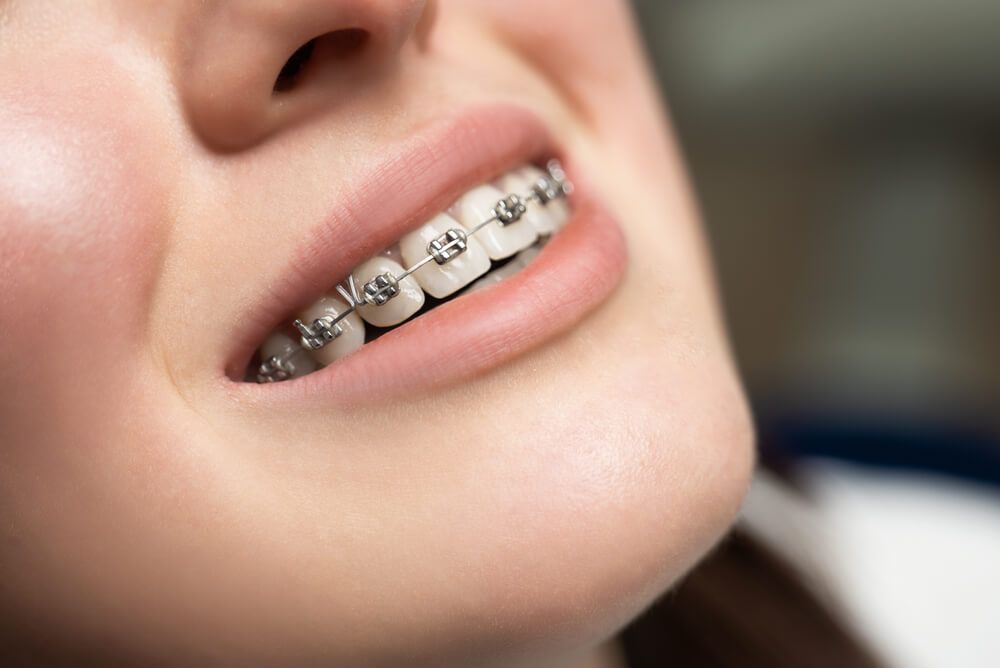
Orthodontic treatment is a specialized area of dentistry that aims to improve the alignment of the teeth and jaws and other dental and facial defects. It entails the gradual movement of teeth into their correct locations with the help of a variety of gadgets, including braces, aligners, and retainers. This procedure improves appearance, oral health, and general well-being. 

Orthodontic therapy is essential for maximizing the health, function, and longevity of the teeth and helping patients achieve an attractive smile. A Wichita Falls dentist will be an invaluable source to help you navigate the world of orthodontics and assist you in making decisions regarding your orthodontic care, whether you are considering orthodontic treatment for yourself or a family member or are simply interested in improving your understanding of dental care.

The most commonly preferred options for orthodontic treatment are: 

  • Braces that self-ligate: 

Self-ligating braces perform similarly to conventional braces but do not require elastic ties since they use unique brackets. An internal mechanism in these brackets holds the wire in place, reducing friction and the need for frequent adjustments. Self-ligating braces may provide quicker treatment times and simpler upkeep.

  • Retainers: 

In order to maintain the newly attained tooth alignment, retainers are often worn after braces or an aligner system has been employed. Teeth shifting back to their original locations can be avoided with retainers. Depending on the demands of the individual, they may be fixed or removable.

  • Lingual Braces:

Lingual braces are practically undetectable from the front since they are affixed to the teeth’ back surfaces (lingual). Although designed specifically for a person’s teeth, they function similarly to conventional braces. If you want a successful treatment without sacrificing appearance, lingual braces are a great choice.

  • Clear Aligners:

A well-liked substitute for conventional braces is clear aligners like Invisalign. They comprise a series of removable, custom-made aligners that gradually realign the teeth. The ease of removing clear aligners for eating, brushing, and flossing makes them almost unnoticeable.

  • Conventional braces 

Metal brackets attached to the teeth and connected by wires make up traditional braces. They use light pressure to move the teeth into the appropriate locations gently. With thinner brackets and various color options for the elastic ties that hold the wires in place, modern braces are more aesthetically pleasing and comfortable than older styles.

  • Ceramic Braces: 

Unlike regular braces, ceramic braces use transparent or tooth-colored brackets to match the teeth’ natural color. This makes them more aesthetically pleasing and less apparent, especially for people who want a discrete treatment option.

Have you ever thought of opting for anti aging treatments? Are you scared it would not work for you? Do you believe in all those myths related to such treatments that leave you unsure about whether or not you should go for them?

We completely understand your fears. It is not easy to opt for something that can change your skin for either good or something terrible. After all, your face is the first thing that everybody notices and you don’t want to do something that can worsen it, just by luring you to make it perfect.

When you look for Clinique Anti Aging for women’s health is the prime factor for such names. They ensure to give you some of the best treatments so that you can reverse age and look prettier than ever before. Maturity should always take place in the mind, not in your skin.

Moreover, if you are in a profession that requires you to look young, you have to be dependent on anti aging creams, gels and even treatments, if needed. This is why you must learn about BHRT, which is Bioidentical Hormone Therapy.

What is Bioidentical Hormone Therapy?

It is one of the most important things in the anti aging medicine and treatment. Since hormones regulate our body, they need to be brought to balance when they are not in tune. There are various reasons that lead to unbalanced hormones, but one of the most common one is pregnancy. Yes, we are giving you another reason to love and respect your mother all the very more, no matter what. However, let us stick to anti aging treatments here.

What are the symptoms of an imbalance in hormones?

Even though there are various symptoms and signs that prove that your body is going through a major imbalance in hormones, the major ones are:

  • Terrible pain before menstruation, or PMS (pre-menstrual symptoms)
  • Mood swings that are not only noticed by others, but genuinely felt by you
  • A sudden drop or decrease in levels of energy
  • Loss of sleep or severe insomnia
  • Thinning or loss of hair and glow of the skin

During a hormone therapy, nothing happens overnight, if that’s what you are expecting. It is a slow and gradual process that helps you fight not only your age, but a lot of other symptoms that are deteriorating the quality of your life and lifestyle.

In the previous ten years, cosmetic dentistry has swept the globe. A growing number of clients are seeking cosmetic dentistry services from dentists as a result of the influence of personalities and influencers. However, many patients do not have a comprehensive understanding of these treatments. Here you will discover some of the most frequently asked inquiries about the processes of cosmetic dentist in Fort Myers, FL.

Why is cosmetic dentistry so prevalent?

In recent years, technological advancements have significantly advanced cosmetic dentistry. Thanks to anesthetic injections and conscious sedation techniques, treatments can now be performed without discomfort. In addition, computerized instruments can generate 3D models of a patient’s mouth, enabling the most accurate treatments ever.

An individual can now have a complete set of teeth removed and replaced with new, natural-looking teeth in a single day with the help of cutting-edge cosmetic dental implant procedures. Due to advancements in components and materials, veneers, inlays, onlays, and fillings now have a much more natural appearance than in the past.

What are the elements of cosmetic dental surgery?

Cosmetic dentistry is the combination of aesthetic and restorative dental procedures. Cosmetic dentistry aims to provide you with a smile that is durable, long-lasting, and naturally beautiful. according to your cosmetic requirements, your dentist will develop a customized treatment plan that may include implant placement, porcelain crowns, and tooth-colored fillings.

These are the most typical treatments:

  • Teeth whitening, which utilizes bleaching therapies to eliminate tooth stains.
  • Porcelain veneers are thin casings used to alter teeth and conceal cosmetic dental flaws.
  • Bonding utilizes tooth-colored restorations to restore the framework and appearance of damaged or otherwise compromised teeth.
  • Porcelain crowns resemble a cap, which mimics caps and are fitted over prepared teeth to repair their appearance, structure, and function.
  • Gum recontouring is a cosmetic procedure that restructures gums in order to improve mouths.

How long do composite restorations for front teeth last?

If you need a filling to fix a cavity, your dentist is likely to propose composite fillings. Composite fillings, which consist of a mixture of plastic and glass, do not contain any metal. They are composed of composite resin, a dental substance that can be tinted to mirror the shade of your natural teeth.

How long does a bonding procedure last?

Dental bonding, additionally referred to as composite bonding or tooth bonding, is a popular cosmetic dentistry process used to enhance your smile. During the procedure, your dentist will use tooth-colored resin to alter your teeth’ size, shape, and color.

Two factors influencing how long bonding materials last are your oral hygiene habits and the number of teeth treated. Nevertheless, typically every three to ten years, bonding material must be replaced.