
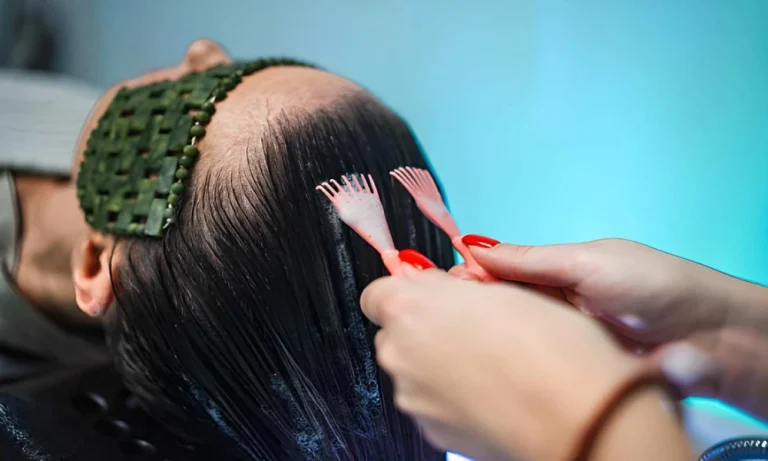
Relaxed hair can look smooth, polished, and versatile, but chemical processing may also leave the strands more vulnerable to dryness, thinning, and breakage. Choosing extensions should therefore involve more than matching the color or finding an attractive style. The safest option should complement the density of your hair, avoid unnecessary pulling, and fit comfortably into your maintenance routine. By paying attention to texture, weight, installation method, and daily care, you can enjoy added length or fullness without placing excessive stress on delicate strands.
Understand What Relaxed Hair Needs Before Choosing Extensions
Textured and natural hair that has been chemically straightened often requires gentler handling because the relaxing process changes the structure of each strand. The Best Extensions For Relaxed Hair are therefore not simply the straightest or silkiest options available. They should feel lightweight, blend naturally with the wearer’s current texture, and allow the scalp and roots to remain comfortable throughout the day.
Before selecting a method, assess the condition of your hair honestly. Look for thinning around the temples, short broken pieces near the crown, dryness at the ends, or scalp tenderness. These signs may suggest that your hair needs a lower-tension style or a break from permanent installation methods. Extensions should support your styling goals, not hide damage while allowing it to worsen.
Compare Low-Tension and Removable Extension Methods
Long-term methods can be convenient, but they may create problems when installed too tightly or worn for too long. Braided foundations, bonded tracks, microlinks, and tape-based systems can place pressure on fragile roots when the added hair is too heavy. A skilled stylist should adjust the installation to the client’s density and avoid weak areas.
For textured and natural hair that has been relaxed, Relaxed Hair Clip Ins can offer a flexible alternative. They can be added for volume or length and removed before sleeping, washing, or exercising. Because they are not worn continuously, the wearer has more opportunities to moisturize the scalp, inspect the roots, and give the hair regular breaks.
Removable pieces still need to be used carefully. Clips should not be attached to the same small sections every day, especially around the hairline. Rotating their placement helps prevent repeated stress. Other lower-tension choices may include lightweight wigs, halo-style pieces, or partial extensions worn only for special occasions.
- Choose fewer, lighter wefts instead of stacking heavy pieces.
- Avoid attaching extensions directly to thinning edges.
- Remove temporary pieces gently without pulling or rushing.
- Stop wearing the style if you notice soreness, bumps, or increased shedding.
Match the Texture, Density, and Weight Carefully
A realistic texture match reduces the manipulation needed to make the natural hair blend. Extremely silky extensions may require frequent heat styling, while a lightly textured straight pattern may blend more easily with new growth and hair that has not been freshly relaxed. The goal is not always a perfectly flat finish; a believable match with soft movement can look more natural and require less heat.
Density matters just as much as texture. Fine or thinning hair may not safely support thick bundles, multiple clip-in sets, or very long lengths. Longer hair generally weighs more, so choosing a moderate length can reduce pressure on the roots. A stylist may also trim or layer the added hair to create fullness without unnecessary volume.
- The total weight of the set or bundle
- The thickness of each weft or attachment point
- Whether the texture blends with relaxed hair and visible new growth
- How much heat or product is needed for upkeep
- Whether the hair can be installed without pulling sensitive areas
Protect Your Hair During Installation and Daily Maintenance
Even a suitable extension type can cause damage when installed incorrectly. The scalp should not feel painful, overly tight, or difficult to move after an appointment. Tightness is not proof that a style will last longer. Persistent discomfort may warn that the roots are under too much strain, especially around the temples and nape.
Daily care should focus on moisture, gentle detangling, and access to the scalp. Use a lightweight leave-in product when needed, protect the hair at night with satin or silk, and avoid heavy oils that create buildup around attachment points. When detangling, support the roots with one hand and work from the ends upward.
Keep long-term styles clean, but follow the washing instructions for the specific installation. Dry the base thoroughly to reduce odor and buildup. Do not leave extensions in beyond the recommended period. Regular breaks between installations allow you to trim damaged ends, treat dryness, and monitor changes in density.
Healthy Hair Tips to Remember
The safest extensions are the ones your hair can comfortably support. A beautiful result should not come with headaches, scalp soreness, excessive shedding, or a need for constant heat. Start with a healthy foundation, choose lightweight hair, and work with a stylist who understands chemically processed strands.
It is also wise to adjust your styling choices as your hair changes. A method that worked well last year may feel too heavy after thinning or breakage. By prioritizing comfort, realistic blending, and regular removal or maintenance, you can enjoy fuller-looking hair while protecting the strength of your relaxed strands.