Category

Health

Category

If you chipped your teeth somehow or have lost most of your teeth, you can visit a dentist and get your dentures designed. They are made of different materials like metal or acrylic and enhance your smile. Nevertheless, these are false teeth; they do need extra care and cleaning. When not taken care of properly can cause trouble and turn out to be an expensive affair. We are here to help you understand a few tips by Maryville, TN dental services that will help you in taking care of your dentures. Read below to make notes:

How to clean dentures?

Food particles can get stuck in between your dentures, similarly as it does in your natural teeth. Thus, cleaning them properly is essential to avoid gum diseases and bad breath. You can clean your dentures by using a soft bristle brush or denture cleaning solution and wipe them using a soft towel. 

How often should you clean your dentures?

For hygienic oral health, you must clean your dentures at least once every day. Remove them and rinse them for a quick cleanse. It is ideal that you clean your dentures in the morning and also before going to bed to avoid bacteria and plaque buildup.

How to maintain your dentures?

When taken care of properly, a denture can last up to 7 to 10 years. Keeping it clean and avoiding bacteria and plaque buildup can help you in maintaining the condition of your dentures. In addition, use a mild denture cleaning solution, and avoid using toothpaste and teeth whitening solutions.

When to see your dentist?

To avoid dental emergencies or problems, visit your dentist regularly for a routine check-up.  However, in the case of dentures, visit your dentist when you spot a broken or chipped part, if you feel uncomfortable, if your dentures are making noise when you eat or talk, or if it does not fit properly anymore.

Though your teeth are considered the hardest bone in your body, dentures are a fragile replica. Handle them with care to keep them in condition for years. It’s like your second teeth, and so it will never feel uncomfortable. However, even if they are causing trouble, do not try to fix them at home, as you may end up breaking or damaging them completely. Dentures are a subtle option for people who want to improve the appearance of their smile, but valuing it and keeping it properly maintained will maintain that bright smile for years. 

Who doesn’t want a smile that can win the whole world? While you are looking for dental care for your family in Burlington, ON, ensure you ask your dentist about the dos and don’ts while maintaining your oral hygiene. Here are some dos and don’ts that you must know: 

Dos 

  • There is no secret behind brushing your teeth as soon as you get up. But brushing once will not help you. It is suggested that you should brush at least twice a day. If you feel like you have some particles stuck inside your teeth that are hard to remove, you can brush them once more.
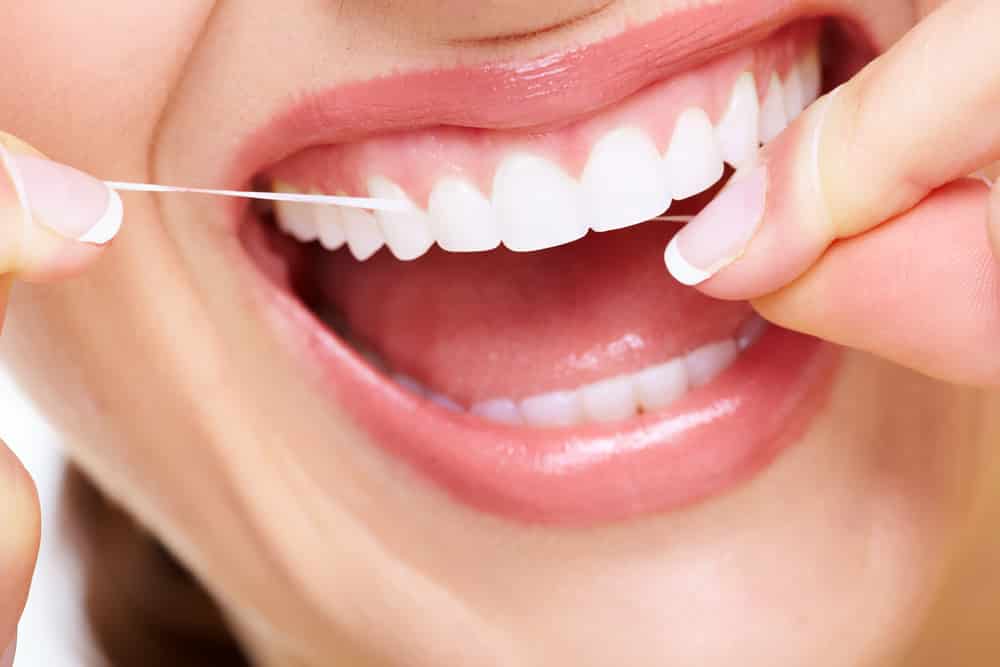
  • Flossing your teeth is very important. Brushing will not reach all the places in your mouth. This is what flossing is for. Ensure that you floss your teeth after you have the meal and after you brush. If you want to get your teeth squeaky clean, only brushing is not enough. Flossing will help you to get leftover food particles from your mouth. 
  • If you are having a bad breath problem, mouthwash has your back. Washing your mouth with mouthwash gets rid of the bad smell and also bad bacteria. It helps you to keep your mouth healthy and fresh.
  • Staying hydrated is another way to keep your mouth healthy. Dehydration can cause many dental issues, including bad breath. 
  • Eat healthy food that is good for your teeth. Food that is rich in fiber, protein, and calcium will help you to keep your teeth healthy. Oral health has a huge connection with gut health; the more you take care of your gut health, the more you will have good oral health. 

Don’ts 

  • Chewing tobacco or smoking is not only injurious to your lungs and overall health but is highly dangerous for your oral health. 
  • Do not keep using the same old toothbrush for a long period. Use one for two months and replace it with a new one. The bristles of the toothbrush get damaged over time. Thus, using the same brush will affect your teeth. 
  • Do not use your teeth for biting your nails, ripping off any packet, opening any bottle, etc. Using it as a tool might harm your teeth.
  • Do not indulge in alcohol consumption. Alcohol dries your mouth and causes dehydration. It causes bad breath and various other oral health issues like discoloration of your teeth and gum problems. 

Having high blood sugar levels can significantly increase your risk of developing periodontal disease. In turn, gum diseases further increase sugar levels which makes diabetes worse. 

However, by managing your blood sugar levels and maintaining good oral health you can keep gum disease at bay. The dental practice in Powell, TN facilitates extensive dental services to prevent gum diseases or halt their progression. 

What do you mean by periodontal disease and diabetes?

Periodontal disease is the inflammation and destruction of the gingival tissues and the underlying bone, causing severe attachment and tooth loss. 

Diabetes is a chronic illness characterized by increased blood sugar levels. Type 1 diabetics do not produce any insulin, while type 2 diabetics are unable to regulate insulin levels that increase the glucose levels in the blood. 

What is the link between diabetes and periodontal disease?

Following are the aspects through which both are inter-connected:

Poor oral hygiene 

Improper brushing techniques can pave the way for bacterial infiltration. The bacteria can ingest the excess sugar present between the teeth and invade the tissues more freely subgingivally. This can have detrimental effects on your body’s metabolic activities.

Increased blood sugar levels 

Severe forms of periodontal disease can elevate the blood sugar levels in your body. This prolongs the time that the body has to function with increased blood glucose levels. This provides nutrition to the already existing bacteria that worsen periodontal problems. 

Abnormal thickening of the blood vessels 

Thickening of the blood vessels is one of the major complications of diabetes. These vessels help to deliver nutrients to tissues and remove waste products. With diabetes, these vessels do not perform their normal functions compromising the resistance of the gingival tissues, leading to infection and gum disease.

Unhealthy habits like smoking

Smoking can negatively impact the health of your oral tissues through a slow healing process. For diabetics who smoke the risk of periodontal disease is exponentially more. 

How can you treat periodontal disease if you are a diabetic?

Your dentist will evaluate the condition of your teeth and oral tissues. Usually, diabetics are recommended to visit their dentists at least twice yearly. 

Simple nonsurgical procedures like scaling and root planing are performed to remove plaque and tartar and eliminate the residual bacteria. This can lower the HbA1c (hemoglobin molecule blood test) count by 20% in a six-month period. 

You may also be prescribed antibiotics that are applied to the gingival pockets to promote healing. 

Summary

It is essential to control diabetes to halt the progression of periodontal disease. High glucose levels favor bacterial colonization and cause further damage to the oral tissues. 

However, proper home care, oral health maintenance, and medicated mouthwash are essential to curb bacterial invasion. 

Orthodontic treatment is a specialized area of dentistry that aims to improve the alignment of the teeth and jaws and other dental and facial defects. It entails the gradual movement of teeth into their correct locations with the help of a variety of gadgets, including braces, aligners, and retainers. This procedure improves appearance, oral health, and general well-being. 

Orthodontic therapy is essential for maximizing the health, function, and longevity of the teeth and helping patients achieve an attractive smile. A Wichita Falls dentist will be an invaluable source to help you navigate the world of orthodontics and assist you in making decisions regarding your orthodontic care, whether you are considering orthodontic treatment for yourself or a family member or are simply interested in improving your understanding of dental care.

The most commonly preferred options for orthodontic treatment are: 

  • Braces that self-ligate: 

Self-ligating braces perform similarly to conventional braces but do not require elastic ties since they use unique brackets. An internal mechanism in these brackets holds the wire in place, reducing friction and the need for frequent adjustments. Self-ligating braces may provide quicker treatment times and simpler upkeep.

  • Retainers: 

In order to maintain the newly attained tooth alignment, retainers are often worn after braces or an aligner system has been employed. Teeth shifting back to their original locations can be avoided with retainers. Depending on the demands of the individual, they may be fixed or removable.

  • Lingual Braces:

Lingual braces are practically undetectable from the front since they are affixed to the teeth’ back surfaces (lingual). Although designed specifically for a person’s teeth, they function similarly to conventional braces. If you want a successful treatment without sacrificing appearance, lingual braces are a great choice.

  • Clear Aligners:

A well-liked substitute for conventional braces is clear aligners like Invisalign. They comprise a series of removable, custom-made aligners that gradually realign the teeth. The ease of removing clear aligners for eating, brushing, and flossing makes them almost unnoticeable.

  • Conventional braces 

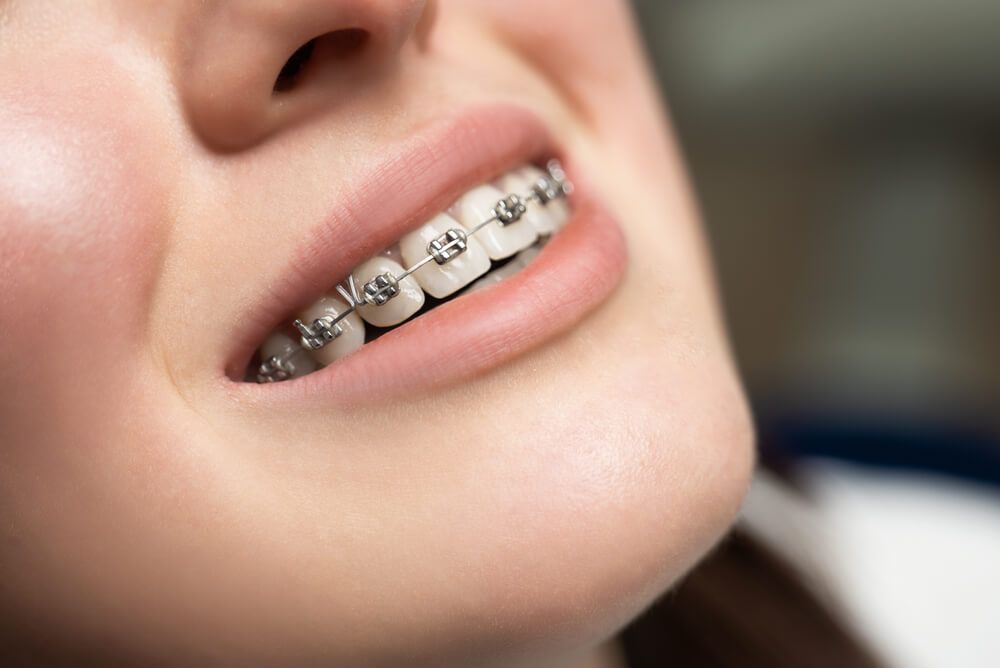
Metal brackets attached to the teeth and connected by wires make up traditional braces. They use light pressure to move the teeth into the appropriate locations gently. With thinner brackets and various color options for the elastic ties that hold the wires in place, modern braces are more aesthetically pleasing and comfortable than older styles.

  • Ceramic Braces: 

Unlike regular braces, ceramic braces use transparent or tooth-colored brackets to match the teeth’ natural color. This makes them more aesthetically pleasing and less apparent, especially for people who want a discrete treatment option.

Have you ever thought of opting for anti aging treatments? Are you scared it would not work for you? Do you believe in all those myths related to such treatments that leave you unsure about whether or not you should go for them?

We completely understand your fears. It is not easy to opt for something that can change your skin for either good or something terrible. After all, your face is the first thing that everybody notices and you don’t want to do something that can worsen it, just by luring you to make it perfect.

When you look for Clinique Anti Aging for women’s health is the prime factor for such names. They ensure to give you some of the best treatments so that you can reverse age and look prettier than ever before. Maturity should always take place in the mind, not in your skin.

Moreover, if you are in a profession that requires you to look young, you have to be dependent on anti aging creams, gels and even treatments, if needed. This is why you must learn about BHRT, which is Bioidentical Hormone Therapy.

What is Bioidentical Hormone Therapy?

It is one of the most important things in the anti aging medicine and treatment. Since hormones regulate our body, they need to be brought to balance when they are not in tune. There are various reasons that lead to unbalanced hormones, but one of the most common one is pregnancy. Yes, we are giving you another reason to love and respect your mother all the very more, no matter what. However, let us stick to anti aging treatments here.

What are the symptoms of an imbalance in hormones?

Even though there are various symptoms and signs that prove that your body is going through a major imbalance in hormones, the major ones are:

  • Terrible pain before menstruation, or PMS (pre-menstrual symptoms)
  • Mood swings that are not only noticed by others, but genuinely felt by you
  • A sudden drop or decrease in levels of energy
  • Loss of sleep or severe insomnia
  • Thinning or loss of hair and glow of the skin

During a hormone therapy, nothing happens overnight, if that’s what you are expecting. It is a slow and gradual process that helps you fight not only your age, but a lot of other symptoms that are deteriorating the quality of your life and lifestyle.

In the previous ten years, cosmetic dentistry has swept the globe. A growing number of clients are seeking cosmetic dentistry services from dentists as a result of the influence of personalities and influencers. However, many patients do not have a comprehensive understanding of these treatments. Here you will discover some of the most frequently asked inquiries about the processes of cosmetic dentist in Fort Myers, FL.

Why is cosmetic dentistry so prevalent?

In recent years, technological advancements have significantly advanced cosmetic dentistry. Thanks to anesthetic injections and conscious sedation techniques, treatments can now be performed without discomfort. In addition, computerized instruments can generate 3D models of a patient’s mouth, enabling the most accurate treatments ever.

An individual can now have a complete set of teeth removed and replaced with new, natural-looking teeth in a single day with the help of cutting-edge cosmetic dental implant procedures. Due to advancements in components and materials, veneers, inlays, onlays, and fillings now have a much more natural appearance than in the past.

What are the elements of cosmetic dental surgery?

Cosmetic dentistry is the combination of aesthetic and restorative dental procedures. Cosmetic dentistry aims to provide you with a smile that is durable, long-lasting, and naturally beautiful. according to your cosmetic requirements, your dentist will develop a customized treatment plan that may include implant placement, porcelain crowns, and tooth-colored fillings.

These are the most typical treatments:

  • Teeth whitening, which utilizes bleaching therapies to eliminate tooth stains.
  • Porcelain veneers are thin casings used to alter teeth and conceal cosmetic dental flaws.
  • Bonding utilizes tooth-colored restorations to restore the framework and appearance of damaged or otherwise compromised teeth.
  • Porcelain crowns resemble a cap, which mimics caps and are fitted over prepared teeth to repair their appearance, structure, and function.
  • Gum recontouring is a cosmetic procedure that restructures gums in order to improve mouths.

How long do composite restorations for front teeth last?

If you need a filling to fix a cavity, your dentist is likely to propose composite fillings. Composite fillings, which consist of a mixture of plastic and glass, do not contain any metal. They are composed of composite resin, a dental substance that can be tinted to mirror the shade of your natural teeth.

How long does a bonding procedure last?

Dental bonding, additionally referred to as composite bonding or tooth bonding, is a popular cosmetic dentistry process used to enhance your smile. During the procedure, your dentist will use tooth-colored resin to alter your teeth’ size, shape, and color.

Two factors influencing how long bonding materials last are your oral hygiene habits and the number of teeth treated. Nevertheless, typically every three to ten years, bonding material must be replaced.

They are fast-paced and often stressful world, taking care of our mental and emotional increasingly important. While seeking professional counseling or therapy is a valuable option, there is another powerful tool self-counseling. This practice involves introspection, self-reflection, and implementing strategies to address and heal our emotional wounds. Self-counseling is a personal and intimate process to tap into their own inner wisdom and resources. It involves creating a safe space for self-exploration, where one honestly confronts feelings and experiences. By actively listening to ourselves, into the root causes of our emotional struggles and identifying patterns for us back. Through self-counseling, and compassionate guidance, helping ourselves challenge emotions and find resolutions.

The fundamental aspect of self-counseling is self-awareness. It requires developing a deep understanding of our emotions, triggers, and behaviors. By paying attention to feelings, we can identify negative self-talk, self-limiting beliefs, and unhealthy patterns. With this awareness, challenge and reframe our thoughts, replacing them with more positive and empowering perspectives. Self-awareness also recognizes our emotions and takes proactive steps to foster a sense of self-nurturing and self-compassion. Taking the time to reflect on our experiences online licensed therapists helps us gain clarity and insights and behaviors. Journaling, for example, is a powerful self-counseling tool, as it provides an outlet for expressing our thoughts and feelings freely. Writing down our experiences, fears, and aspirations allows us to process and make sense of them. It also enables us to identify recurring patterns and themes in our lives, giving us a starting point for deeper exploration and growth.

In addition to self-reflection, self-counseling involves implementing strategies and techniques to promote healing and personal development. These strategies vary depending on preferences and needs. Some solace in meditation or mindfulness practices, cultivating present-moment awareness, and reducing stress from visualization exercises or affirmations to rewire patterns and promote self-belief. Physical activities like yoga or exercise serve as powerful outlets for emotional release and self-expression. The key is to explore techniques that resonate with us personally.

While self-counseling is a transformative and empowering practice, it is to acknowledge that it is for professional counseling or therapy. In some cases, seeking guidance from a trained mental health professional is essential, dealing with trauma or severe emotional distress. However, self-counseling therapy act as a valuable tool for ongoing self-care and personal growth. Ultimately, self-counseling is an active role in our healing journey. It empowers us to tap into our inner strength, resilience, and wisdom. By self-reflection, nurturing self-awareness, and implementing healing strategies, cultivate a deeper understanding of ourselves and create positive changes in our lives. Through self-counseling, we both the counselor and the one seeking counsel, foster a deep connection and a sense of empowerment in life’s challenges.

With innovations in restorative dentistry, tooth decay, at any level, can be treated. This means that everyone can have a beautiful, healthy smile. These days, your treatment options for tooth decay include more than just traditional fillings. With the many options that an Ankeny dental professional can offer, patients can get the most effective and most durable treatment option to improve their smile. 

Metal Filings are a Thing of the Past

Metal or amalgam fillings used to be the go-to option to repair dental cavities. However, today, tooth-colored and more reliable options are now available. Whether you need dental fillings or want to replace your existing metal fillings, below are your options:

  • Tooth-colored fillings. These dental fillings can be made of composite resin or porcelain. Your dentist can customize them to match your natural teeth’s shade, ensuring they blend in. 
  • Inlays and onlays. These treatment options are meant to treat molar cavities. Inlays treat minor-medium tooth decay in molar cusps, while onlays treat more extensive tooth decay. 
  • Porcelain veneers. For mild decay on your front teeth, veneers can be a good treatment option. These tooth-shaped shells are made to the specific size, shape, and shade of your natural teeth, masking decay that used to be filled with a filling. 

Treatment Options for More Serious Tooth Decay

In some instances, tooth decay has become serious enough that it cannot be addressed with dental fillings. The teeth may have sustained significant damage that they may break or require removal. For these teeth, your options include:

  • Dental crowns. Dental crowns can restore the look of teeth that have big fillings and protect them. They cover damaged teeth completely and are customized to blend in with your surrounding teeth. 
  • Dental implants. If you have to let go of damaged teeth, you can replace them with dental implants. Only implants function, feel, and look like your natural teeth. They are surgically placed into your gums where they are allowed to fuse with your jawbone. After your implants heal, they will be able to stimulate jawbone growth, thus, preventing gum recession and jawbone loss. Your implants are completed by placing dental crowns on top of them. But not everyone can be a good candidate for dental implants. So, consult with your dentist to know if you can benefit from them.

The innovative treatments available for tooth decay today make it possible for patients to have beautiful restorations that can improve their smile. A healthy smile will lead to a boost in self-confidence. If you want to know the best option for your dental issue, visit a dentist as soon as possible. 

One of the most important factors in improving a person’s self-esteem is their toothy smile. A beautiful smile can increase your confidence tremendously.

Smile makeover treatments can improve your smile and facial features in a variety of ways. They provide benefits that extend beyond a brighter smile. Not only will you enjoy your new smile, but you are going to feel more confident. If you are concerned about your smile, contact an experienced dentist in Brooklyn, New York.

Advantages of a smile makeover

A smile makeover is a dental process to enhance a patient’s smile. These procedures include teeth whitening, veneers, and fixing a damaged tooth. Before the treatment, the dentist will evaluate the patient and aim for the desired outcome. For example, the patient may want straighter teeth, a brighter smile, or clear teeth. The dentist will then establish a specific treatment plan for that patient.

  1. Wonderful first impression

First impressions matter and have the ability to make an indelible mark on someone’s mind. When you meet someone for the first time, you subconsciously evaluate them. A stunning smile can leave a permanent mark on others and might boost your self-esteem.

Consider the slight cost of a smile makeover a substantial investment in yourself, your career, and your social life. People will quickly understand much about you if you open your lips to reveal a gorgeous big smile.

  1. The self-assuredness you need

Confidence is required to enhance your inner shine. Even if you are not the brightest person in a group, a smile makeover can increase your self-esteem to the extent that you will have no problem interacting with others. If you have a perfect smile, you can never go down on your self-esteem, even if you are scared, frightened, or looking for a technique to de-stress in social circumstances.

  1. You will see frequent smiling’s health advantages.

The chemicals controlling a person’s mood include serotonin, dopamine, and endorphins. Neuropeptides, which relieve stress, are intended to release these substances. The release of these molecules alleviates pain, decreases tension, relaxes the body, and raises blood pressure.

  1. Have a perfect set of radiant white teeth.

The smile of your favorite Hollywood celebrity is almost probably the perfect color of white. However, if you believe having such dazzling white teeth is not for someone like you, reconsider. Teeth whitening with a smile makeover will brighten your smile and make you appear more desirable, youthful, and vibrant.

Have you been tasked with writing a support letter for a friend, family member or loved one in your life? 

Don’t worry — it’s not as daunting as it looks. 

Usually, the NDIA (National Disability Insurance Scheme) doesn’t actually ask for support letters, however, they can help to strengthen an application. 

For example, if an NDIS applicant has somebody in their life that supports and cares for them, they may ask this individual to write a support letter that details the kind of support this person offers them. 

So, if you offer unpaid support to somebody in your life, writing a support letter may help to strengthen their application and better explain their condition to the NDIA. 

If that’s the case for you, follow along as we jump into what a support letter entails and how to write a successful and professional NDIS support letter. 

What is a support letter? 

Put simply, a support letter is a written letter/document that a carer can supply to the NDIA as a part of an NDIS application. 

This support letter may provide further evidence of the support needed within the home environment and the nature of a disability.

This support letter’s aim should be to clarify the everyday difficulties that the NDIS applicant faces and accurately explain how much care and support this person requires. 

If the carer is comfortable sharing and it’s appropriate given the circumstances, this letter can also include details about the caring role’s effect on the caregiver.

When is a support letter required of me? 

There are two reasons why it would be a wise idea for you to write a support letter for an NDIS applicant in your life.

  1. If the NDIA has specifically requested additional support letters. The NDIA can request additional support letters from medical professionals, support workers or carers when they are in the process of submitting a claim. If the NDIA has asked the NDIS applicant in your life for additional supporting evidence, including an unpaid carer support letter, you may be required to submit a letter.
  2. Providing additional support letters can strengthen an application, even if the NDIA hasn’t explicitly asked for them. For this reason, it’s a good idea to supply a support letter, regardless of requests to help with the success rate of the application and aid in guiding the NDIA’s decision. 

What to include in a support letter? 

Throughout an NDIS support letter, the impacts of a person’s disability or condition should be discussed, as well as the level of support they require and how you may contribute to this support.

The following information should be included in your written letter:

  • The role you play and the length of time you have been supporting the applicant.
  • How much and what kind of support do you provide.
  • The number of hours you spend providing support each week and how often you do so.
  • Besides family, friends, or carers, what other informal supports does the applicant have?
  • Describe how the applicant’s health condition or disability impacts his or her daily life (the six important categories to mention include mobility/motor skills, communication, social interaction, learning, self-care and self-management). 

How do I write about the impact the support has on me? 

If you have decided to include a ‘carer impact’, aka, explaining how providing support and care affects you, there are a few things to consider. 

Firstly, the logistics — your impact statement can either be submitted as a part of your support letter or it can be submitted separately as a piece of evidence. 

You do not have to submit this impact statement (unless requested); however, it may help with the application process.

If you do decide to move forward with a carer statement, it is best to include the following information:

  • What impact the caring role has on you and the applicant’s family in terms of mental, physical, and emotional well-being.
  • Whether you have the ability to continue providing this care in the future.
  • How much extra support and funding would mean for you personally.
  • And any other necessary information that may help with the NDIA’s decision making .

Accessing help in the meantime

If you are looking for additional support with minimising your role as a hands-on carer, options are available. 

It might be a wise idea to contact a professional team of local area coordinators, who can help you access support and services, even if you aren’t yet approved for the NDIS. 

Finding support and help in your local area can be relieving and take the pressure off your role as a carer. 

On top of this, there are disability employment services available that can help those with injuries, illnesses and disabilities to find a role that suits their needs. 

Through disability employment services, those with illnesses, injuries and disabilities can access the support they need to find and keep a job.

This can help build independence, a more stable routine, confidence, and new social connections and skills.