
Category

Business

Category

Self-destructing note platforms are popular for those seeking secure and private communication. These services allow users to create messages that automatically delete after a set time or after being read. The best self-destructing note platforms prioritize simplicity and ease of use. They feature clean, uncluttered interfaces that guide users through creating and sending notes without unnecessary complexity.

Customizable security settings

User-friendly platforms understand that different messages require different levels of security. They offer customizable options for message lifespan, allowing users to set a specific time or read limits for each note. Some services even provide additional security features like password protection or two-factor authentication, giving users more control over their privacy without overcomplicating the process.

No account required

The most user-friendly self-destructing note services don’t require users to create an account. This feature is particularly appealing for those who want to quickly share sensitive information without the hassle of signing up or remembering yet another password. These platforms often generate unique URLs for each note, which can be shared directly with the intended recipient.

Clear instructions and guidance

Even with a simple interface, users may need help understanding how to make a private note or use specific features. The most user-friendly platforms provide clear, concise instructions and tooltips throughout the process. Some even offer interactive tutorials or FAQs to guide new users through creating and sending their first self-destructing note.

Confirmation and tracking features

User-friendly platforms often include features that provide senders with peace of mind. These may include delivery confirmations, read receipts, or the ability to revoke access to a note before it’s been opened. Such features help users feel more in control of their sensitive information and enhance the overall user experience.

Integration with existing tools

Self-destructing note platforms go the extra mile by integrating popular communication tools and services. This integration allows users to send secure, self-destructing messages directly from their preferred email client or messaging app, streamlining the process and making it more convenient to incorporate secure communication into their daily routines.

Multilingual support

The most user-friendly platforms recognize the global nature of communication and offer support for multiple languages. This feature ensures that users from various linguistic backgrounds can navigate the platform and create notes in their preferred language, expanding the service’s accessibility and usability.

Accessibility features

Truly user-friendly platforms prioritize accessibility, ensuring that users with disabilities can easily navigate and use the service. This may include features like screen reader compatibility, keyboard navigation options, and adjustable text sizes, making the platform inclusive for all users.

Mobile-optimized experience

With the increasing use of smartphones for communication, user-friendly self-destructing note platforms offer optimized mobile experiences. This includes touch-friendly interfaces, streamlined note-creation processes, and efficient use of screen real estate to provide a seamless experience on smaller devices.

Transparent privacy policies

While not directly related to the interface, user-friendly platforms provide clear, easy-to-understand privacy policies. They explain in simple terms how user data is handled, stored, and protected, building trust and helping users make informed decisions about using the service.

Customer support and resources

Even the most intuitive platforms benefit from readily available customer support. User-friendly services offer multiple support channels, including email, chat, or phone support, and comprehensive help centres with guides and FAQs. These resources ensure that users can quickly find answers to their questions or resolve any issues they encounter.

In the world of manufacturing, efficiency, cost control, and timely delivery are crucial for success. One of the core pillars supporting these goals is effective production planning. Whether you’re producing consumer goods, automotive parts, or industrial equipment, a well-structured production plan ensures smooth operations, optimal resource utilization, and the ability to meet customer demands. With the advent of modern production planning software, manufacturers now have powerful tools to streamline their processes. But just how important is production planning for manufacturers, and what role does technology play in improving it?

What is Production Planning?

At its core, production planning involves organizing and coordinating all the elements required to manufacture a product, from raw materials and labor to equipment and time. It is the process of determining what needs to be produced, in what quantity, by when, and how.

Effective production planning considers multiple factors, including:

  • Demand Forecasting: Understanding market demand and predicting future sales.
  • Resource Allocation: Ensuring the availability of raw materials, machinery, and labor to meet production goals.
  • Scheduling: Developing a timeline for production activities to ensure timely delivery.
  • Capacity Planning: Ensuring that production facilities can handle the volume of work.
  • Quality Control: Monitoring production processes to maintain consistent quality standards.

Without production planning, manufacturers risk inefficiency, waste, delays, and an inability to meet customer expectations. In contrast, a robust production plan provides a clear roadmap for operations, helping businesses to stay competitive and profitable.

Why is Production Planning So Important?

  1. Efficiency and Cost Control: Proper production planning allows manufacturers to optimize their use of resources, minimizing downtime and waste. By aligning production schedules with material availability and labor, manufacturers can avoid costly disruptions such as idle machinery or stockouts. Furthermore, with precise planning, unnecessary expenses—like last-minute procurement or overtime labor—can be avoided.
  2. Meeting Customer Demand: One of the most critical aspects of production planning is ensuring that customer orders are fulfilled on time. In today’s fast-paced, demand-driven marketplace, delays can lead to dissatisfied customers, lost sales, and damage to a brand’s reputation. By forecasting demand and aligning production capacity accordingly, manufacturers can ensure timely delivery and meet their clients’ needs.
  3. Inventory Management: Excess inventory ties up capital and creates storage challenges, while too little inventory can lead to production stoppages and missed sales opportunities. Production planning ensures the right balance, helping manufacturers maintain optimal inventory levels. Advanced production planning software can assist in tracking inventory in real time, reducing the risk of overstocking or understocking.
  4. Quality Control: Consistent production processes lead to consistent product quality. Through careful planning, manufacturers can standardize procedures, allocate resources effectively, and ensure that quality control measures are built into the production process. This reduces the risk of defects, recalls, and customer complaints, all of which can be costly.
  5. Adaptability and Risk Management: In manufacturing, unexpected events—such as equipment breakdowns or supply chain disruptions—are inevitable. A well-thought-out production plan provides flexibility and backup options to handle these risks. Production planning software can dynamically adjust schedules and resource allocation when unforeseen challenges arise, minimizing the impact on overall production.

The Role of Production Planning Software in Modern Manufacturing

In today’s digital age, manual production planning methods—like spreadsheets or paper-based systems—are no longer sufficient for many manufacturers. As operations grow in complexity and scale, the need for sophisticated tools becomes essential. This is where production planning software plays a critical role.

Production planning software is designed to automate and streamline the entire planning process, providing manufacturers with real-time insights, enhanced control, and the ability to respond quickly to changes in demand or production capacity. Here’s how production planning software benefits manufacturers:

  1. Improved Accuracy: Production planning software integrates with other systems like ERP (Enterprise Resource Planning), MES (Manufacturing Execution System), and inventory management tools. This integration ensures accurate, real-time data is available for decision-making. Manufacturers can avoid guesswork and make data-driven decisions that improve production outcomes.
  2. Real-Time Visibility: With production planning software, manufacturers have a real-time view of their entire production process—from raw material availability to machine capacity and workforce allocation. This visibility allows for better decision-making and quicker adjustments to the plan when needed.
  3. Enhanced Collaboration: Modern production planning software allows teams to collaborate more efficiently. Different departments—such as procurement, production, and sales—can access the same information and work together seamlessly. This eliminates silos and reduces the risk of communication breakdowns that can slow down production.
  4. Predictive Analytics: Advanced production planning software often comes with predictive analytics capabilities, allowing manufacturers to forecast future demand more accurately. By analyzing historical data and market trends, the software can help manufacturers plan for fluctuations in demand and make informed decisions about capacity and inventory.
  5. Reduced Lead Times: By optimizing scheduling and resource allocation, production planning software helps reduce lead times, ensuring that products are manufactured and delivered faster. This can give manufacturers a significant competitive advantage, especially in industries where speed to market is critical.
  6. Scalability: As businesses grow, so do their production requirements. Production planning software is scalable, meaning it can handle increased complexity and volume without the need for a complete overhaul of the planning process. This is especially beneficial for manufacturers experiencing rapid growth or dealing with fluctuating demand.

Challenges of Production Planning Without Software

For manufacturers still relying on manual planning methods, the challenges can be significant:

  • Human Error: Manual methods are prone to errors, which can lead to costly mistakes such as incorrect inventory levels, missed production deadlines, or poor resource allocation.
  • Inefficiency: Without automation, manual production planning is time-consuming, requiring significant effort to gather data, create schedules, and update plans.
  • Limited Scalability: As production grows more complex, manual methods become increasingly difficult to manage, leading to bottlenecks, delays, and inefficiencies.
  • Lack of Real-Time Insights: Manual systems provide only a snapshot of the situation at a particular moment in time, making it difficult to react to changes or disruptions in the production process.

Production Planning is the Backbone of Manufacturing Success

In the competitive landscape of manufacturing, effective production planning is critical to achieving operational excellence. It allows manufacturers to optimize their resources, meet customer demand, and maintain consistent product quality. With the help of advanced production planning software, businesses can automate many aspects of the planning process, improving accuracy, efficiency, and agility.

Whether you’re a small manufacturer or a global enterprise, the importance of production planning cannot be overstated. As the manufacturing sector continues to evolve, leveraging the right tools and technologies will be essential for staying competitive and meeting the ever-growing demands of the market.


What makes a great display case for treasured items? Be it in advertising in some museums or even in private collections, a good display of the right kind would undoubtedly make a difference.

Acrylic cases have been one of the standard means resorted to by many due to their crystal clarity, durability, and versatility. By selecting a suitable acrylic case manufacturer, you can ensure that what you get from them is more than you may demand for your displays.

Advantages Of Acrylic Over Other Materials

Why acrylic and not other materials, say glass or wood? Well, there are many advantages to acrylic, making it an appropriate display case material. First, acrylic is very light in weight compared to glass and is, therefore, easy to handle, transport, and install.

Although acrylic is light in weight, it possesses excellent strength and high resistance to impact. Thus, it will not shatter or break easily compared to glass. This feature alone makes the use of acrylic much safer for public and even private exhibitions.

Customization And Quality Check

Working with a leading acrylic case manufacturer means you benefit from high-quality materials and precise manufacturing processes. Such manufacture makes use of top-grade acrylic sheets to ensure durability and clarity.

They also provide options for customization—for example, a case with a particular size or shape or special additions like locks or stands. Customization ensures that each case fits perfectly and suits the aesthetic appeal of the displayed items.

  • High-quality materials: Assure durability and clarity.
  • Rigorous quality checks: Guarantee defect-free products.
  • Customization options: Fit unique size, shape, and feature requirements.
  • Attention to detail: Provides long-lasting protection and display quality.

Applications Across Various Industries

Acrylic display cases are truly versatile in their operations and play vital roles in a lot of industries. In retail, they play a huge role in product display. This is because products must be presented but protected against damage and theft.

Acrylic cases used for jewellery, electronics, cosmetics, and other collectables make all the products attractive by keeping them clean, safe, and free from handling. Retailers mostly favour this acrylic material because it ensures that, when cleaned and maintained correctly, store displays will always be at their best.

Acrylic cases are used in museums and galleries literally to protect priceless artefacts and artworks. Perfect visibility is ensured through the clarity of acrylic, while its strength protects from damage and tampering.

All these display cases can be designed to incorporate things like climate or UV protection, which are considered vital in the longevity of some items. Moreover, the lightweight nature of this plastic allows for the creation of display cases or modular units that can later be rearranged.

Conclusion

The choice of material is crucial when it comes to displaying valuable items. Acrylic cases offer a unique combination of durability, clarity, and versatility that makes them ideal for a wide range of applications. By working with a leading acrylic case manufacturer, you ensure that your display cases are made to the highest standards, providing reliable protection and an attractive presentation for your items.

Whether for retail, museums, or corporate settings, acrylic display cases are a wise investment for anyone looking to enhance their display capabilities. By choosing high-quality, customized acrylic instances, you can create displays that not only look great but also stand the test of time.

In the world of manufacturing and packaging, efficiency and precision are paramount. Liquid filling machines play a crucial role in various industries, including food and beverage, pharmaceuticals, cosmetics, and chemicals. But how exactly does a liquid filling machine work? This blog post delves into the mechanics and functions of these essential devices, exploring the different types and their applications.

The Basics of Liquid Filling Machines

A liquid filling machine is designed to accurately dispense liquid products into containers, ensuring consistency and reducing waste. These machines are essential for maintaining product quality and meeting production demands. They can handle a wide range of liquids, from thin, water-like substances to thick, viscous materials like syrups and creams.

Types of Liquid Filling Machines

There are several types of liquid filling machines, each suited to different types of liquids and production needs:

  1. Gravity Fillers: Ideal for thin, free-flowing liquids, gravity fillers use the natural force of gravity to fill containers. The liquid is stored in a hopper above the filling nozzles, and gravity helps it flow into the containers below.
  2. Piston Fillers: These are versatile machines that can handle both thin and thick liquids. A piston filler uses a piston to draw liquid from the supply tank and then dispense it into containers with precise volume control.
  3. Pump Fillers: Pump fillers use different types of pumps (gear pumps, peristaltic pumps, etc.) to move the liquid from the supply tank to the filling nozzles. They are ideal for handling high-viscosity liquids and ensuring accurate fills.
  4. Overflow Fillers: Designed for products where a consistent fill level is crucial, such as beverages in transparent bottles. Overflow fillers ensure that each container is filled to the same level, regardless of slight variations in container volume.
  5. Vacuum Fillers: Often used for filling glass bottles with non-carbonated liquids, vacuum fillers create a vacuum to draw the liquid into the container. This method is particularly useful for maintaining the integrity of delicate products.

The Working Principle of Liquid Filling Machines

The basic working principle of a liquid filling machine involves several key steps:

1. Preparation

Before the filling process begins, the machine is set up according to the specific requirements of the product and containers. This setup includes adjusting the fill volume, nozzle positions, and conveyor speed.

2. Container Positioning

Containers are fed onto the conveyor belt, which moves them into position under the filling nozzles. Sensors and indexing mechanisms ensure that each container is correctly aligned for filling.

3. Filling Process

  • Gravity Fillers: The filling nozzles open, allowing the liquid to flow from the hopper into the containers below. The flow is controlled by gravity and shut-off valves to ensure accurate filling.
  • Piston Fillers: The piston draws liquid from the supply tank into a cylinder. Once the cylinder is filled, the piston pushes the liquid out through the filling nozzle into the container. The volume of liquid dispensed is controlled by the piston’s stroke length.
  • Pump Fillers: The pump draws liquid from the supply tank and pushes it through the filling nozzles into the containers. The amount of liquid dispensed is controlled by the pump’s speed and duration.
  • Overflow Fillers: Liquid is pumped into the containers until it reaches a predetermined level. Excess liquid overflows back into the supply tank, ensuring consistent fill levels.
  • Vacuum Fillers: The filling nozzle creates a vacuum inside the container, drawing the liquid in. Once the desired fill level is reached, the vacuum is released, stopping the flow of liquid.

4. Sealing and Capping

After filling, the containers move to the next stage of the production line, where they are sealed or capped. This process ensures that the product is protected and ready for distribution.

5. Quality Control

Quality control mechanisms are in place to check for fill accuracy and consistency. Any containers that do not meet the specified criteria are rejected and removed from the production line.

Advantages of Using Liquid Filling Machines

  • Precision and Consistency: Liquid filling machines ensure that each container is filled with the exact amount of liquid, reducing waste and ensuring product quality.
  • Speed and Efficiency: These machines can fill hundreds or even thousands of containers per hour, significantly increasing production rates.
  • Versatility: With different types of filling machines available, manufacturers can handle a wide range of liquids and container types.
  • Hygiene and Safety: Automated filling reduces the risk of contamination, ensuring that products meet hygiene and safety standards.

Conclusion

Liquid filling machines are an integral part of modern manufacturing, providing the precision, speed, and efficiency needed to meet today’s production demands. Understanding how these machines work helps appreciate the complexity and innovation behind the seemingly simple task of filling containers with liquid. Whether it’s a gravity filler for thin liquids or a piston filler for thick creams, each type of liquid filling machine plays a vital role in delivering consistent, high-quality products to consumers.

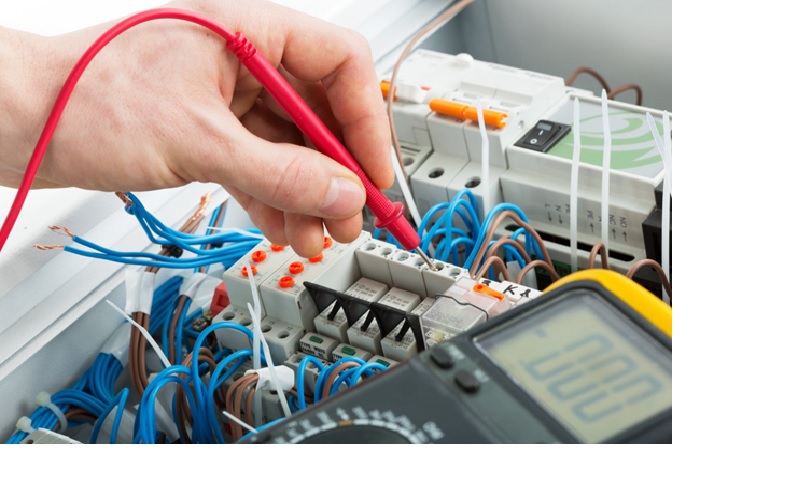
Upgrading your electrical panel may not be the first thing on your mind when you think about home improvements, but it’s a crucial step to ensure safety, efficiency, and reliability in your electrical system. Over time, electrical panels can become outdated and unable to handle the demands of modern appliances and electronics.

In this article, we’ll explore the key benefits of upgrading your electrical panel and the signs that indicate it’s time for an upgrade.

Benefits of Upgrading Your Electrical Panel

1. Enhanced Safety

One of the most important reasons to residential electrical upgrade is safety. Older panels, especially those with fuses instead of circuit breakers, may not provide adequate protection against electrical overloads and short circuits.

Upgrading to a modern circuit breaker panel can reduce the risk of electrical fires and shocks, keeping your home and family safe.

2. Increased Capacity

As technology advances, our homes are filled with more devices and appliances than ever before. If your current electrical panel is struggling to keep up with the demand, you may experience frequent tripped breakers or even overloaded circuits.

Upgrading to a panel with higher capacity allows you to power more devices simultaneously without the inconvenience of power interruptions.

3. Improved Energy Efficiency

Upgrading your electrical panel can also lead to improved energy efficiency. Newer panels are designed to distribute electricity more efficiently, reducing energy waste and lowering your utility bills over time. Additionally, upgrading your panel may enable you to install energy-saving devices such as smart thermostats or LED lighting systems, further enhancing your home’s energy efficiency.

4. Compatibility with Modern Appliances

Many modern appliances and electronics require dedicated circuits to operate safely and efficiently. If your current panel lacks the necessary circuit capacity or is incompatible with newer technologies, upgrading can ensure that your appliances function optimally without risk of damage or performance issues.

This is particularly important for devices like electric vehicle chargers, home theaters, and commercial lighting systems.

Signs It’s Time to Upgrade Your Electrical Panel

1. Frequently Tripped Breakers

If your circuit breakers trip frequently, it could be a sign that your electrical panel is overloaded and struggling to distribute power effectively. Upgrading to a panel with higher amperage capacity can reduce the occurrence of tripped breakers and improve the reliability of your electrical system.

2. Outdated Panel Design

Older electrical panels, such as those with fuses or outdated circuit breaker designs, may not meet current safety standards or code requirements. Upgrading to a modern panel ensures compliance with safety regulations and provides peace of mind knowing that your electrical system is up to date.

3. Flickering Lights or Electrical Issues

Flickering lights, buzzing sounds from outlets, or other electrical issues could indicate underlying problems with your electrical panel. These symptoms may suggest loose connections, inadequate grounding, or outdated wiring that could be resolved with an upgraded panel and inspection by a qualified electrician.

Conclusion

Upgrading your electrical panel is a proactive investment in the safety, efficiency, and reliability of your home’s electrical system. From enhanced safety and increased capacity to improved energy efficiency and support for future expansions, the benefits of upgrading are clear.

If you’ve noticed signs such as frequently tripped breakers, outdated panel design, or electrical issues, it may be time to consider a panel upgrade.

In addition to being a useful route for your car, your driveway also has a distinctive exterior feature that contributes to the elegant appeal of your house. Expert paving companies ottawa can transform the entrance to your property into a breathtaking display of elegance and intricacy by creating the driveway of your dreams.

Enhancing Curb Appeal:

One of the first things visitors notice when they arrive at your house is the driveway; thus, it plays a crucial role in creating a good first impression. Professionally cleared driveways offer value and appeal, in addition to enhancing your property’s overall curb appeal. With so many different paving materials, styles, and samples available, you may customize your driveway to complement the exterior finish and design of your house, creating a visually appealing and powerful outdoor space.

Creating a Welcoming Entrance:

Your driveway serves as the front door to your house, beckoning both guests and residents with its alluring appearance. Skilled paving can enhance the look and create a cozy, welcoming atmosphere in your house. Whether you choose flawless cobblestone, smooth cement, or country block, the correct paving material can give your driveway personality and appeal, creating a crucial first impression that sets the tone for the rest of your property.

Improving Functionality and Durability

In addition to adding style, professional paving companies ottawa improve the functionality and durability of your driveway. A flat surface that can withstand heavy cars and people walking across it without collapsing or breaking is ensured by professionally installed paving. Superior paving materials are also resistant to fading, cracking, and discoloration, ensuring that your driveway maintains its beauty and functionality for an endless amount of time with minimal maintenance.

Customizing Your Design:

With the many customization options provided by expert paving at Ottawa, you can create a driveway that perfectly reflects your personal preferences and sense of style. There are countless options for plans, ranging from traditional to modern, natural to contemporary. Professional pavers may work with you to revitalize your vision and create a driveway that is uniquely yours, whether you want a smooth and reasonable style or a more multifaceted and resplendent plan.

Creating the driveway of your dreams with professional paving is a wise investment that may transform the exterior of your house and increase its overall appeal. Expert paving enables you to drive in style and create a lasting impression with your home’s entrance by improving control, creating an attractive entrance, enhancing usefulness and solidity, and redesigning your layout.

Managing finances with prepaid cards can be a smart and convenient way to stay within budget, control spending, and avoid debt. Whether you’re trying to stick to a budget, teach responsible spending habits, or simply prefer not to use credit or debit cards, prepaid cards at myprepaidcenter offer flexibility and security.

Set a Budget:

Before loading funds onto your prepaid card at my prepaid center, establish a budget for your expenses. Determine how much money you can afford to spend on essentials like groceries, transportation, and entertainment. Allocating specific amounts for each category helps you stay on track and avoid overspending.

Load Funds Wisely:

Load only the amount of money you need onto your prepaid card. Avoid overloading it with excess funds that could tempt you to overspend. Some prepaid cards allow you to set up direct deposits from your paycheck or bank account, making it convenient to add funds regularly.

Monitor Your Balance:

Keep track of your prepaid card balance regularly to ensure you have enough funds to cover your expenses. Most prepaid card providers offer online account access or mobile apps where you can check your balance and transaction history. Monitoring your balance helps you avoid declined transactions and overdraft fees.

Review Fees:

Be aware of the fees associated with your prepaid card, including activation fees, monthly maintenance fees, ATM withdrawal fees, and reload fees. Compare fees from different card providers and choose one with transparent fee structures that align with your spending habits. Minimizing fees helps you maximize the value of your customer service.

Use Budgeting Tools:

Take advantage of budgeting tools and features offered by some prepaid card providers. These tools may include spending tracking, budgeting insights, and alerts for low balances or large transactions. Utilizing these tools can help you better understand your spending habits and make informed financial decisions.

Set Spending Limits:

Some prepaid cards allow you to set spending limits for specific categories or merchants. Take advantage of this feature to control your spending and prevent impulse purchases. Setting limits can also help you prioritize essential expenses and avoid overspending on non-essentials.

Protect Your Card:

Treat your prepaid card like cash and keep it in a secure place. If your card is lost or stolen, report it to the card issuer immediately to prevent unauthorized transactions. Many prepaid cards offer fraud protection and replacement cards for lost or stolen cards, but you may be liable for certain charges if you delay reporting the loss.

Transcriptionists play a pivotal role in converting spoken language into written text accurately and efficiently. However, the process of transcribing audio files can be time-consuming and challenging without the right tools. Fortunately, advancements in technology have led to the development of powerful transcription software like Olympus Transcriptionist Software, which empowers transcriptionists to boost their productivity and accuracy levels significantly. In this blog post, we’ll delve into how Olympus Software can unleash your transcription superpowers, enabling you to maximize efficiency and streamline your workflow.

Understanding the Power of Olympus Transcriptionist Software

Olympus Software is a cutting-edge transcription solution designed to simplify the transcription process while maintaining high standards of accuracy. Developed by industry-leading experts at Olympus, this software incorporates advanced features and intuitive tools tailored to the specific needs of transcriptionists.

One of the standout features of Olympus Software is its robust speech recognition capabilities. By leveraging state-of-the-art speech-to-text technology, the software can accurately transcribe audio files in a fraction of the time it would take through manual transcription. This not only accelerates the transcription process but also minimizes the risk of errors, ensuring that your transcripts are of the highest quality.

Streamlining Your Workflow with Olympus Transcriptionist Software

Efficiency is paramount in the world of transcription, where time is of the essence, and deadlines loom large. Olympus Software offers a range of features designed to streamline your workflow and enhance your productivity.

  1. Seamless Integration: Olympus Software seamlessly integrates with a variety of audio file formats, allowing you to effortlessly import recordings from different sources. Whether you’re transcribing interviews, lectures, or dictations, the software supports a wide range of audio formats, eliminating the need for time-consuming file conversions.
  2. Customizable Templates: Another notable feature of Olympus Software is its customizable templates, which enable you to create tailored transcription formats to suit your specific requirements. Whether you prefer verbatim transcripts or clean, edited copies, you can create templates that align with your preferred style and formatting guidelines, saving you valuable time on post-transcription editing.
  3. Time-saving Shortcuts: Time is of the essence in transcription, and Olympus Software offers a range of time-saving shortcuts and hotkeys to expedite the transcription process. From playback controls to text formatting commands, these shortcuts allow you to navigate through audio files and transcribe text with unparalleled speed and efficiency.
  4. Intelligent Editing Tools: In addition to its transcription capabilities, Olympus Transcriptionist Software boasts a suite of intelligent editing tools to help you fine-tune your transcripts with ease. From spell checkers to grammar correction features, the software helps ensure that your transcripts are error-free and polished, saving you time on manual proofreading and editing tasks.

Enhancing Accuracy and Quality

While speed is important, accuracy remains paramount in transcription. Olympus Software prioritizes accuracy through a combination of advanced speech recognition algorithms and powerful editing tools.

  1. Advanced Speech Recognition: Powered by cutting-edge speech recognition technology, Olympus Software can accurately transcribe audio files with high levels of precision. By converting spoken words into text in real time, the software minimizes the risk of errors and discrepancies, ensuring that your transcripts are faithful representations of the original recordings.
  2. Intelligent Error Correction: Despite its advanced speech recognition capabilities, no transcription software is infallible. However, Olympus Software mitigates the risk of errors through its intelligent error correction features. From automatic punctuation insertion to context-aware correction suggestions, the software helps you identify and rectify errors quickly and effectively, thereby enhancing the overall quality of your transcripts.
  3. Quality Assurance Tools: In addition to error correction features, Olympus Transcriptionist Software offers a range of quality assurance tools to help you maintain high standards of accuracy and consistency. From audio waveform visualization to timestamp alignment tools, these features enable you to cross-reference audio recordings with transcribed text, ensuring that every word is captured correctly.

Collaboration and Accessibility

In today’s digital age, collaboration and accessibility are key considerations for transcriptionists working in diverse settings. Olympus Software addresses these needs through its collaborative features and multi-platform accessibility.

  1. Cloud Integration: With cloud integration capabilities, Olympus Software enables seamless collaboration among transcriptionists working remotely or across different locations. By storing transcripts securely in the cloud, the software facilitates real-time collaboration, allowing multiple users to access and edit transcripts simultaneously.
  2. Multi-Platform Support: Whether you’re working on a desktop computer, laptop, or mobile device, Olympus Software offers multi-platform support for unparalleled flexibility and accessibility. Transcribe on the go or switch between devices seamlessly, knowing that your work is always synchronized and up-to-date.
  3. Secure Sharing Options: When it comes to sharing transcripts with clients or colleagues, security is paramount. Olympus Software provides secure sharing options, allowing you to encrypt transcripts and control access permissions to safeguard sensitive information.

Conclusion

In conclusion, Olympus Transcriptionist Software is a game-changer for transcriptionists seeking to maximize efficiency, accuracy, and productivity. With its advanced speech recognition capabilities, intuitive workflow tools, and collaborative features, the software empowers transcriptionists to unleash their transcription superpowers and tackle even the most demanding transcription tasks with ease. Whether you’re a seasoned professional or just starting out in the world of transcription, Olympus Software is your ultimate ally in the quest for transcription excellence.

In the realm of electrical systems, efficiency and performance are paramount. Whether you’re managing a residential property, a commercial building, or an industrial facility, the heart of your electrical infrastructure lies in the switchboard. Often overlooked, switchboards play a critical role in distributing power safely and effectively throughout your premises. However, as technology advances and energy demands grow, it’s crucial to ensure that your switchboard is up to the task. This is where switchboard upgrades come into play, offering a transformative solution to enhance efficiency and performance while ensuring safety and compliance.

Understanding Switchboard Upgrades

Before diving into the benefits of board upgrades, let’s first grasp what they entail. A switchboard serves as the central hub for distributing electricity from the main power source to various circuits within a building or facility. Over time, factors such as wear and tear, technological advancements, and increased power demands can render existing switchboards inadequate.

Board upgrades involve replacing or modernizing components of the existing switchboard to meet current safety standards, accommodate higher loads, improve reliability, and incorporate new technologies. These upgrades can range from simple component replacements to complete overhauls, depending on the specific requirements of the electrical system.

Enhancing Safety and Compliance

Safety should always be the top priority when it comes to electrical systems. Outdated switchboards pose significant risks, including electrical fires, equipment malfunctions, and personnel injuries. By investing in switchboard upgrades, you not only mitigate these risks but also ensure compliance with industry regulations and standards.

Modern switchboards are designed with advanced safety features such as circuit protection devices, ground fault detection, and overload safeguards. Upgrading to these newer components minimizes the likelihood of electrical hazards and ensures that your facility meets the latest safety codes and regulations, providing peace of mind for both occupants and stakeholders.

Improving Efficiency and Reliability

Efficiency and reliability are essential for maintaining uninterrupted operations and minimizing downtime. Outdated switchboards may struggle to handle the increasing demands placed on them, leading to inefficiencies, voltage fluctuations, and frequent breakdowns. This can result in costly repairs, productivity losses, and even damage to sensitive equipment.

Board upgrades address these issues by optimizing the distribution of electrical power, reducing energy losses, and enhancing system reliability. Modern components such as digital meters, power factor correction units, and energy management systems enable better monitoring and control of electricity usage, resulting in improved efficiency and reduced operational costs over time.

Accommodating Growth and Expansion

As businesses grow and expand, so do their electrical needs. Outdated switchboards may lack the capacity to support additional equipment, machinery, or facilities, limiting scalability and hindering growth opportunities. Switchboard upgrades allow you to future-proof your electrical infrastructure by increasing capacity, adding new circuits, and integrating scalability features.

Whether you’re expanding your operations, upgrading your equipment, or implementing new technologies, a modernized switchboard can accommodate these changes seamlessly. This flexibility not only supports your current needs but also prepares your facility for future advancements, ensuring long-term sustainability and competitiveness.

Harnessing Advanced Technologies

The advent of digitalization and smart technologies has revolutionized the way we manage electrical systems. Board upgrades offer the opportunity to harness these advancements and optimize your operations through automation, remote monitoring, and predictive maintenance.

Smart switchboards equipped with IoT sensors, communication interfaces, and data analytics capabilities provide real-time insights into energy usage, performance metrics, and equipment health. This allows for proactive maintenance, timely interventions, and informed decision-making, ultimately maximizing uptime and productivity.

Ensuring Business Continuity

In today’s fast-paced world, downtime is not an option. Any disruption to electrical services can have far-reaching consequences, impacting productivity, revenue, and customer satisfaction. Switchboard upgrades play a crucial role in ensuring business continuity by minimizing the risk of unexpected failures and outages.

By investing in reliable and resilient switchboard solutions, you can minimize downtime, optimize operational efficiency, and maintain continuity of critical services. Whether it’s a commercial facility, manufacturing plant, or data center, having a robust electrical infrastructure is essential for sustaining operations and meeting customer expectations.

Future-Proofing Your Investment

Investing in board upgrades isn’t just about addressing immediate needs—it’s about future-proofing your investment for long-term success. With technology evolving at a rapid pace, today’s cutting-edge solutions may become outdated tomorrow. However, by choosing modern switchboards that are adaptable and scalable, you can future-proof your electrical infrastructure against obsolescence and technological advancements.

Look for switchboards that support modular designs, software updates, and expansion capabilities, allowing you to adapt to changing requirements and emerging trends without the need for costly replacements. By future-proofing your investment, you ensure that your facility remains agile, resilient, and competitive in the face of evolving industry landscapes and technological disruptions.

Conclusion

Switchboard upgrades are more than just a maintenance task; they’re a strategic investment in the performance, safety, and sustainability of your electrical infrastructure. By embracing modernization and leveraging advanced technologies, you can unleash the full potential of your electrical systems, driving efficiency, reliability, and business growth.

Whether you’re looking to enhance safety and compliance, improve efficiency and reliability, or prepare for future expansion, board upgrades offer a comprehensive solution to meet your needs. Don’t wait until problems arise—take proactive steps to upgrade your switchboard and unlock a new era of power and performance for your facility.

Windows serve as our houses’ silent protectors against the weather and conduits for communication with the outside world. But because of their barrier function, they might occasionally get worn down, necessitating repair and upkeep as an essential aspect of homeownership. To make sure your windows last a lifetime, you must avoid certain hazards since not all repairs are created equal.

By being aware of the typical mistakes made while repairing windows, you may avoid making expensive blunders and maintain the strength of your home’s first line of protection. This article explores nine common window repair errors that property managers and homeowners should avoid.

The Window’s Anatomy

The anatomy of a window must be understood before diving into errors. Windows are made up of several components, such as hardware, balances, frames, and sashes. Every component has a distinct function. The glass-holding portion is called the sash, and it is frequently adjustable. The sash is held in place by the frame, which is often composed of metal, vinyl, or wood.

Balances help the sash to slide within the frame, many of which are counterweights. Hardware, such as locks and handles, secures the window. Proper repair and maintenance demand knowledge about these components and how to work with them.

Do It Yourself Without Enough Information

Given the abundance of easily available do-it-yourself options, the temptation to fix your own windows may be great these days. However, if done without the required abilities and experience, DIY window repairs can sometimes end up doing more harm than good. For example, cutting or measuring new glass incorrectly might result in dangerous fragments in the case of another problem.

A homeowner attempts to replace a broken glass pane on their own. Not realizing the frame’s material impacts the technique, they cut the glass wrongly and hurt themselves in the process.

Overlooking Maintenance Needs

Windows need routine maintenance just like every other element of your house. Premature deterioration might occur if maintenance tasks like painting window frames or lubricating hinges are neglected. Overlooking these tasks can expose your home to the risk of water damage, rot, and pest intrusion.

A property manager fails to maintain the exterior of windows in an aging apartment building. Over time, the frames begin to rot, leading to extensive damage and costly repairs.

Using Improper Tools and Materials

For window repair in instance, the proverb “the right tool for the job” is relevant. When improper equipment are applied, the endeavour may not be completed safely or precisely, and the inappropriate materials may cause damage to the window and other structures.

A homeowner, unfamiliar with caulk types, uses the wrong sealant when resealing their windows. The incorrect sealant does not adhere properly, leading to moisture seepage and rot.

Rushing Through Repairs

While haste could potentially lead to subpar craftsmanship, it is sensible to want a repair completed promptly as conceivable. Easier remedies are rarely permanent and may require extensive work quickly than anticipated.

An amateur handyman ethnic groups to repair a window sash that is stuck ahead of a storm. They rush things and neglect to make sure everything works well, which makes the sash stick even more.

Failing to Address Condensation

While condensation sometimes appears like an inevitable consequence of window activity, excessive or ongoing moisture indicates something amiss. It could indicate inadequate ventilation or a ruptured seal, which, if unattended to, might cause mould to thrive and windows to sustain damage.

Frequently, residents clean the condensation from their double-pane windows without tackling the underlying concern. The accumulated moisture eventually wears down the window seals, creating the appearance of fog and requiring replacement.

Mishandling Fenestration Finishes

In addition to offering visual appeal, the coatings on your window frames shield your house from moisture and UV radiation. The wood deteriorates and gets brittle when these finishes are not handled carefully during repairs.

A well-meaning homeowner attempts to clean paint overspray off of their windows using an abrasive solution. This chemical also strips the protective finish, requiring the immediate reapplication of a protective coat.

Disregarding Safety Precautions

Working on windows, especially at height, can be dangerous. Serious injuries can occur from ignoring safety procedures, such as working without protective clothing or utilising ladders inappropriately.

An enthusiastic property manager attempts to repair upper-floor windows without a helper or proper safety equipment. An accidental fall leads to significant injury and a hospital visit.

The Importance of Professional Window Repair

While there are many window repairs that you can handle on your own with the right knowledge, certain tasks are best entrusted to professionals. These may include repairing complex mechanisms, restoring historical windows, or handling specialized repairs for which you lack experience.

Skilled repair specialists can guarantee that the work is done correctly the first time, saving you time and trouble. Additionally, they have access to high-quality materials that the typical do-it-yourselfer frequently does not. Furthermore, many repair companies back their services with warranties, providing peace of mind that your investment is protected.

Conclusion

As this post conclude our exploration of the window repair domain, it becomes clear that attentiveness and care are paramount in maintaining these critical home features. By avoiding the common mistakes outlined in this guide, you can contribute to the extended lifespan of your windows and, consequently, the well-being of your home. Regular checks, timely repairs, and professional maintenance can transform potential window woes into stories of longevity and resilience.

For readers who are facing window issues, it’s time to take action. Whether you decide to tackle a repair yourself or seek professional help, the most important step is to start. Windows is more than just looking glasses to the world; they are investment in your home’s future. Don’t let these investments crumble due to avoidable errors.