
Category

Business

Category

What does it take to qualify for and sell liquor licenses in Florida? The process involves meeting state requirements and following specific regulations. Let’s explore the key factors and steps essential for success. 

1. Understanding Liquor License Types in Florida

To qualify for and sell liquor licenses, it is important to understand the types available in Florida. Knowing where you can sell liquor licenses and how they apply is crucial to navigating this market effectively. Permits vary based on the type of business and the type of alcohol sold.

There are three primary categories: quota licenses, special licenses, and temporary licenses. Quota licenses allow businesses to sell all types of alcoholic beverages and are limited in number. Special licenses, often issued to restaurants, require a certain percentage of revenue to come from food sales. Temporary permits are issued while the application process for a permanent license is underway. Each license type has unique requirements and limitations, making it essential to select the right one for the business.

2. Qualifying to Sell a Liquor License

Selling a liquor license requires meeting eligibility criteria set by the state. The Department of Business and Professional Regulation (DBPR) oversees this process. Both individuals and businesses can sell licenses, but all sellers must comply with specific regulations.

  • Licenses must be valid and active.
  • Sellers should ensure there are no outstanding fines or violations.
  • Proper documentation, including proof of ownership, is required.
  • A transfer application must be submitted to the DBPR.
  • Sellers must disclose any liens or encumbrances on the license.

Meeting these criteria ensures the transaction process is smooth and legal. Proper preparation prevents delays or complications in transferring ownership.

3. The Process of Selling a Liquor License

Selling a license involves several steps that must be followed carefully. The first step is finding a buyer who meets the state’s qualifications. Buyers must complete a background check and submit an application to the DBPR.

The seller and buyer then negotiate the terms of the sale, including price and payment conditions. After an agreement is achieved, the transfer application is filed for approval. This process can take weeks or months, depending on the severity of the condition it is better to consult a professional for smoother processing.

Sell Liquor Licenses in Florida

4. Benefits of Working with a Broker in Florida

Hiring a broker offers significant advantages when selling a liquor license. Brokers are knowledgeable about the market and can connect sellers with qualified buyers. They simplify the process by managing paperwork and ensuring compliance with state regulations.

Brokers also provide accurate valuations based on market trends and license demand. They help sellers avoid common pitfalls, such as underpricing or legal errors. By acting as intermediaries, brokers facilitate smoother negotiations and transactions. Their expertise can save time and reduce stress. For many sellers, working with a broker is a valuable investment that ensures a successful sale.

5. Challenges in Selling Liquor Permits

Florida’s quota system limits the number of licenses, creating high demand and competitive pricing. Sellers must navigate these challenges while ensuring compliance with the law.

Market fluctuations can affect the value of a license, making timing critical. Legal requirements in Florida, such as background checks and documentation, add another layer of complexity. Despite these challenges, careful planning and professional assistance can lead to a smooth and profitable transaction. 

Qualifying the sale of liquor permits in Florida requires compliance with state regulations and careful preparation. Understanding where you can sell liquor licenses and the types available ensures a smoother process. With the right approach and professional guidance, sellers can navigate the complexities of the market effectively. Choosing the right resources and strategies makes the process both manageable and successful.


Laser hair removal has revolutionized the way people achieve smooth, hair-free skin. It’s a popular treatment for targeting unwanted hair on various parts of the body. Here’s a breakdown of the most common areas treated with laser hair removal and why it’s such an effective solution.

  1. Face

    Facial hair removal is a top priority for many individuals seeking smooth, clear skin.

  • Common Areas: Upper lip, chin, cheeks, and sideburns.
  • Precision Targeting: Lasers effectively treat fine or dark hairs without affecting surrounding skin.
  • Gentle on Sensitive Areas: Advanced technology ensures minimal discomfort on delicate facial skin.

Facial laser hair removal offers a long-term solution to constant shaving or waxing.

  1. Underarms

    Underarm hair removal is one of the most popular laser treatments due to its convenience.

  • Quick Sessions: Each treatment typically takes only a few minutes.
  • Effective Results: Reduces hair growth significantly after just a few sessions.
  • Odor Reduction: Hair-free underarms can help minimize sweat-related odors.

Laser hair removal in this area is perfect for those seeking low-maintenance grooming.

  1. Legs

    Legs are a common target for laser hair removal due to the large surface area.

  • Full or Partial Treatments: Options include targeting the thighs, calves, or full legs.
  • Time Efficiency: Advanced lasers cover larger areas in less time.
  • Smooth Skin: Eliminates the need for regular shaving or waxing.

Leg treatments provide long-lasting results, making it ideal for active lifestyles.

  1. Bikini Area

    The bikini area is a frequent choice for laser hair removal due to its precision and effectiveness.

  • Customizable Coverage: Options range from standard bikini lines to Brazilian treatments.
  • Reduced Irritation: Avoids razor bumps and ingrown hairs common with shaving or waxing.
  • Long-Term Benefits: Enjoy smooth, hair-free skin with minimal upkeep.

Laser treatments in this area enhance comfort and confidence.

  1. Arms

    Unwanted arm hair can be addressed easily with laser hair removal.

  • Targeted Treatment: Focus on forearms, upper arms, or both.
  • Even Skin Tone: Reduces the appearance of coarse or dark hair for a polished look.
  • Convenient Maintenance: Eliminates the hassle of regular shaving.

Smooth, hair-free arms are especially beneficial for warmer months or formal occasions.

  1. Back and Chest

    For men, laser hair removal on the back and chest is a popular choice for grooming.

  • Large Area Coverage: Treats areas like the upper back, shoulders, or full chest efficiently.
  • Improved Comfort: Reduces hair-related discomfort during workouts or warm weather.
  • Well-Groomed Appearance: Provides a clean, professional look.

This treatment is ideal for those seeking a permanent reduction in unwanted body hair.

  1. Hands and Feet

    Though less common, hands and feet are also areas that benefit from laser hair removal.

  • Specific Concerns: Targets hair on knuckles, toes, or other small areas.
  • Detailed Precision: Lasers effectively remove fine or coarse hair in hard-to-reach spots.
  • Smooth Finish: Creates a polished, well-maintained appearance.

These treatments complete the overall look for individuals focusing on detailed grooming.

Conclusion

Salon Deauville laser hair removal is a versatile solution for addressing unwanted hair across various parts of the body. Whether targeting large areas like legs and back or smaller regions like the face and hands, laser treatments provide long-lasting, effective results. This modern approach to hair removal eliminates the inconvenience of frequent shaving or waxing, leaving skin smooth and hassle-free.

In today’s competitive e-commerce landscape, understanding when and how to use Amazon promotional tools can significantly impact your success as a seller. Tools like Helium 10 have become essential for optimizing your Amazon business strategy and maximizing sales potential.

Getting started with promotional timing

The best time to implement promotional tools is when you have a clear understanding of your product’s performance and market position. Start by analyzing your current sales data and identifying periods of both high and low demand. This information helps you make informed decisions about when to launch specific promotional campaigns.

During product launches, promotional tools become particularly valuable. They can help you generate initial sales momentum and establish your product’s ranking. Using tools to research keywords and optimize your listings before launch ensures you’re targeting the right audience from day one.

Inventory management considerations

When managing large inventory volumes, promotional tools become crucial. If you need to clear out stock quickly, these tools help you create targeted campaigns that attract buyers without sacrificing too much profit margin. This is especially important for seasonal items or products approaching expiration dates.

Understanding customer behaviour

Analyzing customer shopping patterns helps determine the best times for promotions. Morning hours often see different buying behaviours compared to evening hours. Using promotional tools to track these patterns enables you to schedule your campaigns for maximum impact when your target audience is most active.

Weekend promotions typically generate more engagement than weekday campaigns. However, this can vary depending on your product category and target market. Using analytical tools helps you identify your specific optimal timing.

Technical aspects of promotion timing

Setting up promotional campaigns requires careful attention to technical details. Schedule your promotions with enough lead time to ensure proper implementation.

  • Setting up tracking systems at least 24 hours before launch
  • Reviewing all promotional parameters twice before activation
  • Testing discount codes and promotional links before going live
  • Monitoring inventory levels to support expected promotion volume

Building long-term strategy

Amazon

Successful promotion management requires a long-term perspective. Create a promotional calendar that spans several months, incorporating both regular and special promotional periods. This helps maintain consistent sales while capitalizing on peak opportunities. Regular performance analysis helps refine your promotional strategy over time. Using Helium 10 features for tracking and analysis provides valuable insights for future campaign planning and optimization.

Future planning and adaptation

As Amazon’s marketplace continues to evolve, staying updated with promotional tool capabilities becomes increasingly important. Regular training and education on new features help maximize tool effectiveness and maintain competitive advantage. Adapting your promotional strategy based on performance data ensures long-term success. Using helium 10 to analyze results and adjust approaches helps optimize future campaigns and improve overall business performance.

Success metrics and evaluation

Measuring the success of your promotional activities helps refine future strategies. Track key metrics like:

  • Sales velocity during promotional periods
  • Customer acquisition costs
  • Return on investment for each promotion
  • Impact on organic ranking and visibility

When to use Amazon promotional tools effectively requires careful planning and strategic thinking. Analytical tools like Helium 10 with market awareness and customer understanding, sellers can create successful promotional campaigns that drive sustainable business growth. Regular evaluation and adjustment of promotional strategies ensure continued success in the dynamic Amazon marketplace. Remember that successful promotion management is an ongoing process that requires attention to detail, market awareness, and strategic timing.

Temporary work engineers are the backbone of construction projects, providing essential support systems to maintain site stability during excavation, renovation, or large-scale structural changes. Their expertise ensures that temporary structures, such as shoring systems and scaffolding, function effectively and safely. Here’s how NadeauSDM temporary work engineers guarantee stability and security on-site.

  1. Conducting Comprehensive Site Analysis
    Site stability begins with a thorough analysis of the construction environment. Temporary work engineers assess key factors such as soil type, groundwater conditions, and load requirements. These evaluations allow them to design systems tailored to the site’s unique characteristics, reducing risks and ensuring long-term stability.
  2. Developing Customized Support Systems
    No two construction projects are identical. Temporary work engineers design bespoke solutions, including shoring systems, scaffolding, or bracing structures, to meet specific project demands. For instance, a deep excavation site may require robust retaining walls, while a renovation project might need load-bearing scaffolds to stabilize existing structures.
  3. Prioritizing Material Selection
    The materials used in temporary systems are critical to their effectiveness. Engineers select high-quality materials capable of withstanding environmental stress, heavy loads, and fluctuating conditions. Choices are made based on durability, cost-efficiency, and the specific requirements of the project.
  4. Using Advanced Engineering Tools
    Modern engineering relies on cutting-edge software and simulation tools to ensure precision in temporary work design. These technologies allow engineers to predict how structures will perform under various conditions, optimizing designs for both safety and efficiency.
  5. Implementing Safety Protocols
    Safety is paramount in construction, particularly for temporary systems that often bear heavy loads in unstable environments. Engineers adhere to strict safety regulations and construction codes, incorporating redundancies and fail-safes into their designs to protect workers and the public.
  6. Continuous Monitoring and Maintenance
    Site conditions can change during construction, potentially affecting the performance of temporary systems. Engineers conduct regular inspections to monitor for wear, misalignment, or material fatigue. They make adjustments as needed to maintain stability throughout the project lifecycle.
  7. Collaborating with Project Teams
    Temporary work engineers work closely with contractors, site supervisors, and other stakeholders to ensure their systems integrate seamlessly into the broader construction plan. Effective communication reduces misunderstandings and keeps the project on schedule.
  8. Preparing for Unforeseen Challenges
    Construction sites are inherently unpredictable, with potential risks such as extreme weather or unexpected soil conditions. Temporary work engineers anticipate these challenges and develop contingency plans to mitigate risks, ensuring the site remains stable under any circumstances.
  9. Supporting Sustainable Practices
    Incorporating eco-friendly practices into temporary work design is becoming increasingly important. Engineers aim to use recyclable materials and minimize environmental impact without compromising on safety or performance.

Conclusion
Temporary work engineers are vital to the stability and success of construction projects. By conducting detailed site analyses, designing tailored solutions, and prioritizing safety, they ensure that every phase of the project progresses smoothly. Trust NadeauSDM temporary work engineers to deliver reliable, efficient, and sustainable solutions for your construction needs.

Self-destructing note platforms are popular for those seeking secure and private communication. These services allow users to create messages that automatically delete after a set time or after being read. The best self-destructing note platforms prioritize simplicity and ease of use. They feature clean, uncluttered interfaces that guide users through creating and sending notes without unnecessary complexity.

Customizable security settings

User-friendly platforms understand that different messages require different levels of security. They offer customizable options for message lifespan, allowing users to set a specific time or read limits for each note. Some services even provide additional security features like password protection or two-factor authentication, giving users more control over their privacy without overcomplicating the process.

No account required

The most user-friendly self-destructing note services don’t require users to create an account. This feature is particularly appealing for those who want to quickly share sensitive information without the hassle of signing up or remembering yet another password. These platforms often generate unique URLs for each note, which can be shared directly with the intended recipient.

Clear instructions and guidance

Even with a simple interface, users may need help understanding how to make a private note or use specific features. The most user-friendly platforms provide clear, concise instructions and tooltips throughout the process. Some even offer interactive tutorials or FAQs to guide new users through creating and sending their first self-destructing note.

Confirmation and tracking features

User-friendly platforms often include features that provide senders with peace of mind. These may include delivery confirmations, read receipts, or the ability to revoke access to a note before it’s been opened. Such features help users feel more in control of their sensitive information and enhance the overall user experience.

Integration with existing tools

Self-destructing note platforms go the extra mile by integrating popular communication tools and services. This integration allows users to send secure, self-destructing messages directly from their preferred email client or messaging app, streamlining the process and making it more convenient to incorporate secure communication into their daily routines.

Multilingual support

The most user-friendly platforms recognize the global nature of communication and offer support for multiple languages. This feature ensures that users from various linguistic backgrounds can navigate the platform and create notes in their preferred language, expanding the service’s accessibility and usability.

Accessibility features

Truly user-friendly platforms prioritize accessibility, ensuring that users with disabilities can easily navigate and use the service. This may include features like screen reader compatibility, keyboard navigation options, and adjustable text sizes, making the platform inclusive for all users.

Mobile-optimized experience

With the increasing use of smartphones for communication, user-friendly self-destructing note platforms offer optimized mobile experiences. This includes touch-friendly interfaces, streamlined note-creation processes, and efficient use of screen real estate to provide a seamless experience on smaller devices.

Transparent privacy policies

While not directly related to the interface, user-friendly platforms provide clear, easy-to-understand privacy policies. They explain in simple terms how user data is handled, stored, and protected, building trust and helping users make informed decisions about using the service.

Customer support and resources

Even the most intuitive platforms benefit from readily available customer support. User-friendly services offer multiple support channels, including email, chat, or phone support, and comprehensive help centres with guides and FAQs. These resources ensure that users can quickly find answers to their questions or resolve any issues they encounter.

In the world of manufacturing, efficiency, cost control, and timely delivery are crucial for success. One of the core pillars supporting these goals is effective production planning. Whether you’re producing consumer goods, automotive parts, or industrial equipment, a well-structured production plan ensures smooth operations, optimal resource utilization, and the ability to meet customer demands. With the advent of modern production planning software, manufacturers now have powerful tools to streamline their processes. But just how important is production planning for manufacturers, and what role does technology play in improving it?

What is Production Planning?

At its core, production planning involves organizing and coordinating all the elements required to manufacture a product, from raw materials and labor to equipment and time. It is the process of determining what needs to be produced, in what quantity, by when, and how.

Effective production planning considers multiple factors, including:

  • Demand Forecasting: Understanding market demand and predicting future sales.
  • Resource Allocation: Ensuring the availability of raw materials, machinery, and labor to meet production goals.
  • Scheduling: Developing a timeline for production activities to ensure timely delivery.
  • Capacity Planning: Ensuring that production facilities can handle the volume of work.
  • Quality Control: Monitoring production processes to maintain consistent quality standards.

Without production planning, manufacturers risk inefficiency, waste, delays, and an inability to meet customer expectations. In contrast, a robust production plan provides a clear roadmap for operations, helping businesses to stay competitive and profitable.

Why is Production Planning So Important?

  1. Efficiency and Cost Control: Proper production planning allows manufacturers to optimize their use of resources, minimizing downtime and waste. By aligning production schedules with material availability and labor, manufacturers can avoid costly disruptions such as idle machinery or stockouts. Furthermore, with precise planning, unnecessary expenses—like last-minute procurement or overtime labor—can be avoided.
  2. Meeting Customer Demand: One of the most critical aspects of production planning is ensuring that customer orders are fulfilled on time. In today’s fast-paced, demand-driven marketplace, delays can lead to dissatisfied customers, lost sales, and damage to a brand’s reputation. By forecasting demand and aligning production capacity accordingly, manufacturers can ensure timely delivery and meet their clients’ needs.
  3. Inventory Management: Excess inventory ties up capital and creates storage challenges, while too little inventory can lead to production stoppages and missed sales opportunities. Production planning ensures the right balance, helping manufacturers maintain optimal inventory levels. Advanced production planning software can assist in tracking inventory in real time, reducing the risk of overstocking or understocking.
  4. Quality Control: Consistent production processes lead to consistent product quality. Through careful planning, manufacturers can standardize procedures, allocate resources effectively, and ensure that quality control measures are built into the production process. This reduces the risk of defects, recalls, and customer complaints, all of which can be costly.
  5. Adaptability and Risk Management: In manufacturing, unexpected events—such as equipment breakdowns or supply chain disruptions—are inevitable. A well-thought-out production plan provides flexibility and backup options to handle these risks. Production planning software can dynamically adjust schedules and resource allocation when unforeseen challenges arise, minimizing the impact on overall production.

The Role of Production Planning Software in Modern Manufacturing

In today’s digital age, manual production planning methods—like spreadsheets or paper-based systems—are no longer sufficient for many manufacturers. As operations grow in complexity and scale, the need for sophisticated tools becomes essential. This is where production planning software plays a critical role.

Production planning software is designed to automate and streamline the entire planning process, providing manufacturers with real-time insights, enhanced control, and the ability to respond quickly to changes in demand or production capacity. Here’s how production planning software benefits manufacturers:

  1. Improved Accuracy: Production planning software integrates with other systems like ERP (Enterprise Resource Planning), MES (Manufacturing Execution System), and inventory management tools. This integration ensures accurate, real-time data is available for decision-making. Manufacturers can avoid guesswork and make data-driven decisions that improve production outcomes.
  2. Real-Time Visibility: With production planning software, manufacturers have a real-time view of their entire production process—from raw material availability to machine capacity and workforce allocation. This visibility allows for better decision-making and quicker adjustments to the plan when needed.
  3. Enhanced Collaboration: Modern production planning software allows teams to collaborate more efficiently. Different departments—such as procurement, production, and sales—can access the same information and work together seamlessly. This eliminates silos and reduces the risk of communication breakdowns that can slow down production.
  4. Predictive Analytics: Advanced production planning software often comes with predictive analytics capabilities, allowing manufacturers to forecast future demand more accurately. By analyzing historical data and market trends, the software can help manufacturers plan for fluctuations in demand and make informed decisions about capacity and inventory.
  5. Reduced Lead Times: By optimizing scheduling and resource allocation, production planning software helps reduce lead times, ensuring that products are manufactured and delivered faster. This can give manufacturers a significant competitive advantage, especially in industries where speed to market is critical.
  6. Scalability: As businesses grow, so do their production requirements. Production planning software is scalable, meaning it can handle increased complexity and volume without the need for a complete overhaul of the planning process. This is especially beneficial for manufacturers experiencing rapid growth or dealing with fluctuating demand.

Challenges of Production Planning Without Software

For manufacturers still relying on manual planning methods, the challenges can be significant:

  • Human Error: Manual methods are prone to errors, which can lead to costly mistakes such as incorrect inventory levels, missed production deadlines, or poor resource allocation.
  • Inefficiency: Without automation, manual production planning is time-consuming, requiring significant effort to gather data, create schedules, and update plans.
  • Limited Scalability: As production grows more complex, manual methods become increasingly difficult to manage, leading to bottlenecks, delays, and inefficiencies.
  • Lack of Real-Time Insights: Manual systems provide only a snapshot of the situation at a particular moment in time, making it difficult to react to changes or disruptions in the production process.

Production Planning is the Backbone of Manufacturing Success

In the competitive landscape of manufacturing, effective production planning is critical to achieving operational excellence. It allows manufacturers to optimize their resources, meet customer demand, and maintain consistent product quality. With the help of advanced production planning software, businesses can automate many aspects of the planning process, improving accuracy, efficiency, and agility.

Whether you’re a small manufacturer or a global enterprise, the importance of production planning cannot be overstated. As the manufacturing sector continues to evolve, leveraging the right tools and technologies will be essential for staying competitive and meeting the ever-growing demands of the market.


What makes a great display case for treasured items? Be it in advertising in some museums or even in private collections, a good display of the right kind would undoubtedly make a difference.

Acrylic cases have been one of the standard means resorted to by many due to their crystal clarity, durability, and versatility. By selecting a suitable acrylic case manufacturer, you can ensure that what you get from them is more than you may demand for your displays.

Advantages Of Acrylic Over Other Materials

Why acrylic and not other materials, say glass or wood? Well, there are many advantages to acrylic, making it an appropriate display case material. First, acrylic is very light in weight compared to glass and is, therefore, easy to handle, transport, and install.

Although acrylic is light in weight, it possesses excellent strength and high resistance to impact. Thus, it will not shatter or break easily compared to glass. This feature alone makes the use of acrylic much safer for public and even private exhibitions.

Customization And Quality Check

Working with a leading acrylic case manufacturer means you benefit from high-quality materials and precise manufacturing processes. Such manufacture makes use of top-grade acrylic sheets to ensure durability and clarity.

They also provide options for customization—for example, a case with a particular size or shape or special additions like locks or stands. Customization ensures that each case fits perfectly and suits the aesthetic appeal of the displayed items.

  • High-quality materials: Assure durability and clarity.
  • Rigorous quality checks: Guarantee defect-free products.
  • Customization options: Fit unique size, shape, and feature requirements.
  • Attention to detail: Provides long-lasting protection and display quality.

Applications Across Various Industries

Acrylic display cases are truly versatile in their operations and play vital roles in a lot of industries. In retail, they play a huge role in product display. This is because products must be presented but protected against damage and theft.

Acrylic cases used for jewellery, electronics, cosmetics, and other collectables make all the products attractive by keeping them clean, safe, and free from handling. Retailers mostly favour this acrylic material because it ensures that, when cleaned and maintained correctly, store displays will always be at their best.

Acrylic cases are used in museums and galleries literally to protect priceless artefacts and artworks. Perfect visibility is ensured through the clarity of acrylic, while its strength protects from damage and tampering.

All these display cases can be designed to incorporate things like climate or UV protection, which are considered vital in the longevity of some items. Moreover, the lightweight nature of this plastic allows for the creation of display cases or modular units that can later be rearranged.

Conclusion

The choice of material is crucial when it comes to displaying valuable items. Acrylic cases offer a unique combination of durability, clarity, and versatility that makes them ideal for a wide range of applications. By working with a leading acrylic case manufacturer, you ensure that your display cases are made to the highest standards, providing reliable protection and an attractive presentation for your items.

Whether for retail, museums, or corporate settings, acrylic display cases are a wise investment for anyone looking to enhance their display capabilities. By choosing high-quality, customized acrylic instances, you can create displays that not only look great but also stand the test of time.

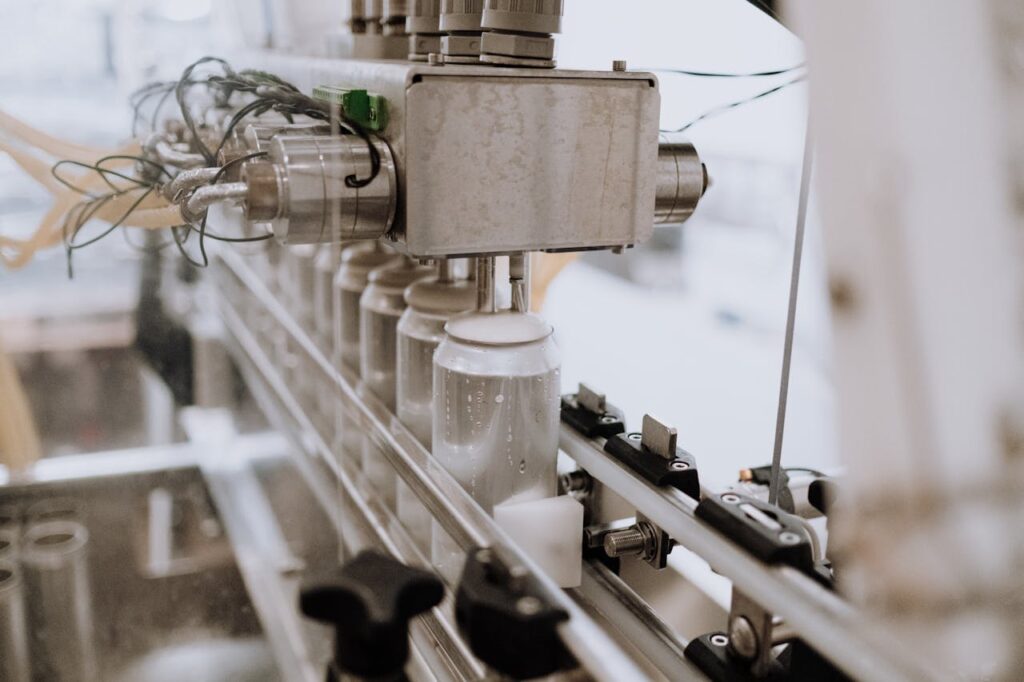
In the world of manufacturing and packaging, efficiency and precision are paramount. Liquid filling machines play a crucial role in various industries, including food and beverage, pharmaceuticals, cosmetics, and chemicals. But how exactly does a liquid filling machine work? This blog post delves into the mechanics and functions of these essential devices, exploring the different types and their applications.

The Basics of Liquid Filling Machines

A liquid filling machine is designed to accurately dispense liquid products into containers, ensuring consistency and reducing waste. These machines are essential for maintaining product quality and meeting production demands. They can handle a wide range of liquids, from thin, water-like substances to thick, viscous materials like syrups and creams.

Types of Liquid Filling Machines

There are several types of liquid filling machines, each suited to different types of liquids and production needs:

  1. Gravity Fillers: Ideal for thin, free-flowing liquids, gravity fillers use the natural force of gravity to fill containers. The liquid is stored in a hopper above the filling nozzles, and gravity helps it flow into the containers below.
  2. Piston Fillers: These are versatile machines that can handle both thin and thick liquids. A piston filler uses a piston to draw liquid from the supply tank and then dispense it into containers with precise volume control.
  3. Pump Fillers: Pump fillers use different types of pumps (gear pumps, peristaltic pumps, etc.) to move the liquid from the supply tank to the filling nozzles. They are ideal for handling high-viscosity liquids and ensuring accurate fills.
  4. Overflow Fillers: Designed for products where a consistent fill level is crucial, such as beverages in transparent bottles. Overflow fillers ensure that each container is filled to the same level, regardless of slight variations in container volume.
  5. Vacuum Fillers: Often used for filling glass bottles with non-carbonated liquids, vacuum fillers create a vacuum to draw the liquid into the container. This method is particularly useful for maintaining the integrity of delicate products.

The Working Principle of Liquid Filling Machines

The basic working principle of a liquid filling machine involves several key steps:

1. Preparation

Before the filling process begins, the machine is set up according to the specific requirements of the product and containers. This setup includes adjusting the fill volume, nozzle positions, and conveyor speed.

2. Container Positioning

Containers are fed onto the conveyor belt, which moves them into position under the filling nozzles. Sensors and indexing mechanisms ensure that each container is correctly aligned for filling.

3. Filling Process

  • Gravity Fillers: The filling nozzles open, allowing the liquid to flow from the hopper into the containers below. The flow is controlled by gravity and shut-off valves to ensure accurate filling.
  • Piston Fillers: The piston draws liquid from the supply tank into a cylinder. Once the cylinder is filled, the piston pushes the liquid out through the filling nozzle into the container. The volume of liquid dispensed is controlled by the piston’s stroke length.
  • Pump Fillers: The pump draws liquid from the supply tank and pushes it through the filling nozzles into the containers. The amount of liquid dispensed is controlled by the pump’s speed and duration.
  • Overflow Fillers: Liquid is pumped into the containers until it reaches a predetermined level. Excess liquid overflows back into the supply tank, ensuring consistent fill levels.
  • Vacuum Fillers: The filling nozzle creates a vacuum inside the container, drawing the liquid in. Once the desired fill level is reached, the vacuum is released, stopping the flow of liquid.

4. Sealing and Capping

After filling, the containers move to the next stage of the production line, where they are sealed or capped. This process ensures that the product is protected and ready for distribution.

5. Quality Control

Quality control mechanisms are in place to check for fill accuracy and consistency. Any containers that do not meet the specified criteria are rejected and removed from the production line.

Advantages of Using Liquid Filling Machines

  • Precision and Consistency: Liquid filling machines ensure that each container is filled with the exact amount of liquid, reducing waste and ensuring product quality.
  • Speed and Efficiency: These machines can fill hundreds or even thousands of containers per hour, significantly increasing production rates.
  • Versatility: With different types of filling machines available, manufacturers can handle a wide range of liquids and container types.
  • Hygiene and Safety: Automated filling reduces the risk of contamination, ensuring that products meet hygiene and safety standards.

Conclusion

Liquid filling machines are an integral part of modern manufacturing, providing the precision, speed, and efficiency needed to meet today’s production demands. Understanding how these machines work helps appreciate the complexity and innovation behind the seemingly simple task of filling containers with liquid. Whether it’s a gravity filler for thin liquids or a piston filler for thick creams, each type of liquid filling machine plays a vital role in delivering consistent, high-quality products to consumers.

Upgrading your electrical panel may not be the first thing on your mind when you think about home improvements, but it’s a crucial step to ensure safety, efficiency, and reliability in your electrical system. Over time, electrical panels can become outdated and unable to handle the demands of modern appliances and electronics.

In this article, we’ll explore the key benefits of upgrading your electrical panel and the signs that indicate it’s time for an upgrade.

Benefits of Upgrading Your Electrical Panel

1. Enhanced Safety

One of the most important reasons to residential electrical upgrade is safety. Older panels, especially those with fuses instead of circuit breakers, may not provide adequate protection against electrical overloads and short circuits.

Upgrading to a modern circuit breaker panel can reduce the risk of electrical fires and shocks, keeping your home and family safe.

2. Increased Capacity

As technology advances, our homes are filled with more devices and appliances than ever before. If your current electrical panel is struggling to keep up with the demand, you may experience frequent tripped breakers or even overloaded circuits.

Upgrading to a panel with higher capacity allows you to power more devices simultaneously without the inconvenience of power interruptions.

3. Improved Energy Efficiency

Upgrading your electrical panel can also lead to improved energy efficiency. Newer panels are designed to distribute electricity more efficiently, reducing energy waste and lowering your utility bills over time. Additionally, upgrading your panel may enable you to install energy-saving devices such as smart thermostats or LED lighting systems, further enhancing your home’s energy efficiency.

4. Compatibility with Modern Appliances

Many modern appliances and electronics require dedicated circuits to operate safely and efficiently. If your current panel lacks the necessary circuit capacity or is incompatible with newer technologies, upgrading can ensure that your appliances function optimally without risk of damage or performance issues.

This is particularly important for devices like electric vehicle chargers, home theaters, and commercial lighting systems.

Signs It’s Time to Upgrade Your Electrical Panel

1. Frequently Tripped Breakers

If your circuit breakers trip frequently, it could be a sign that your electrical panel is overloaded and struggling to distribute power effectively. Upgrading to a panel with higher amperage capacity can reduce the occurrence of tripped breakers and improve the reliability of your electrical system.

2. Outdated Panel Design

Older electrical panels, such as those with fuses or outdated circuit breaker designs, may not meet current safety standards or code requirements. Upgrading to a modern panel ensures compliance with safety regulations and provides peace of mind knowing that your electrical system is up to date.

3. Flickering Lights or Electrical Issues

Flickering lights, buzzing sounds from outlets, or other electrical issues could indicate underlying problems with your electrical panel. These symptoms may suggest loose connections, inadequate grounding, or outdated wiring that could be resolved with an upgraded panel and inspection by a qualified electrician.

Conclusion

Upgrading your electrical panel is a proactive investment in the safety, efficiency, and reliability of your home’s electrical system. From enhanced safety and increased capacity to improved energy efficiency and support for future expansions, the benefits of upgrading are clear.

If you’ve noticed signs such as frequently tripped breakers, outdated panel design, or electrical issues, it may be time to consider a panel upgrade.

In addition to being a useful route for your car, your driveway also has a distinctive exterior feature that contributes to the elegant appeal of your house. Expert paving companies ottawa can transform the entrance to your property into a breathtaking display of elegance and intricacy by creating the driveway of your dreams.

Enhancing Curb Appeal:

One of the first things visitors notice when they arrive at your house is the driveway; thus, it plays a crucial role in creating a good first impression. Professionally cleared driveways offer value and appeal, in addition to enhancing your property’s overall curb appeal. With so many different paving materials, styles, and samples available, you may customize your driveway to complement the exterior finish and design of your house, creating a visually appealing and powerful outdoor space.

Creating a Welcoming Entrance:

Your driveway serves as the front door to your house, beckoning both guests and residents with its alluring appearance. Skilled paving can enhance the look and create a cozy, welcoming atmosphere in your house. Whether you choose flawless cobblestone, smooth cement, or country block, the correct paving material can give your driveway personality and appeal, creating a crucial first impression that sets the tone for the rest of your property.

Improving Functionality and Durability

In addition to adding style, professional paving companies ottawa improve the functionality and durability of your driveway. A flat surface that can withstand heavy cars and people walking across it without collapsing or breaking is ensured by professionally installed paving. Superior paving materials are also resistant to fading, cracking, and discoloration, ensuring that your driveway maintains its beauty and functionality for an endless amount of time with minimal maintenance.

Customizing Your Design:

With the many customization options provided by expert paving at Ottawa, you can create a driveway that perfectly reflects your personal preferences and sense of style. There are countless options for plans, ranging from traditional to modern, natural to contemporary. Professional pavers may work with you to revitalize your vision and create a driveway that is uniquely yours, whether you want a smooth and reasonable style or a more multifaceted and resplendent plan.

Creating the driveway of your dreams with professional paving is a wise investment that may transform the exterior of your house and increase its overall appeal. Expert paving enables you to drive in style and create a lasting impression with your home’s entrance by improving control, creating an attractive entrance, enhancing usefulness and solidity, and redesigning your layout.