
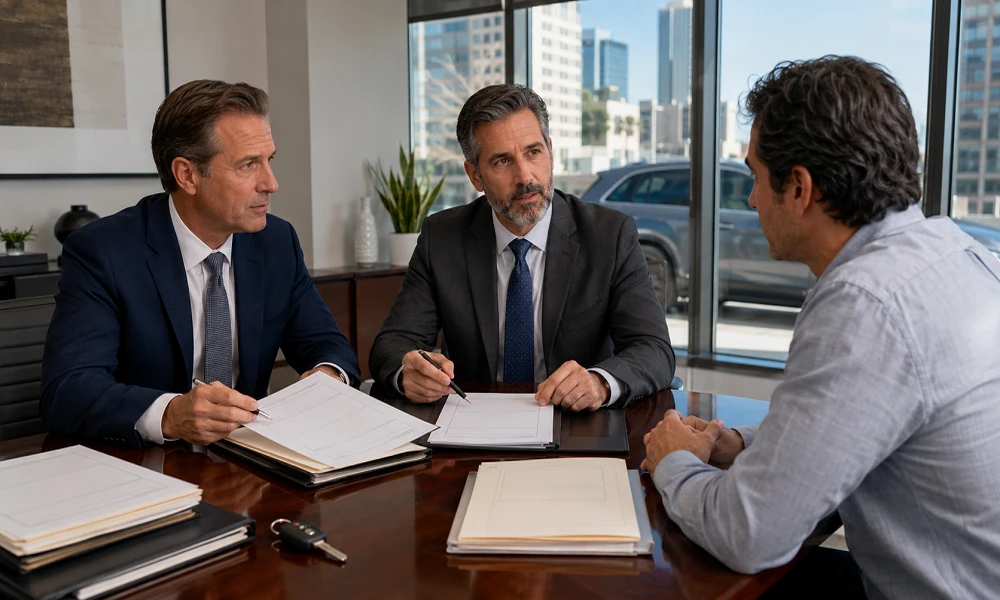
Recurring vehicle defects create more than repair bills. Drivers lose time, rearrange work and family travel, manage rental cars, and repeat the same complaint to service departments. The legal questions can be just as frustrating: Does the defect qualify? Has the manufacturer had enough repair opportunities? What documents matter? Is a proposed settlement complete?
Focused counsel can turn a scattered history into a clear, evidence-based claim. A California vehicle-warranty practice reviews the record, explains realistic options, communicates with the manufacturer, and helps the client make informed choices at each stage.
Starting With the Vehicle’s Real Story
No two matters are identical. One driver may face repeated brake warnings; another may experience stalling, battery drain, transmission problems, water intrusion, or a failed infotainment system. An attorney should examine how the condition affects use, value, or safety and whether it arose during the manufacturer’s express warranty.
The California Department of Justice provides official guidance about vehicle warranty protections, including the basic role of covered defects and reasonable repair attempts. Legal analysis includes the client’s purchase date, warranty terms, repair chronology, mileage, communications, and any arguments regarding misuse or modification.
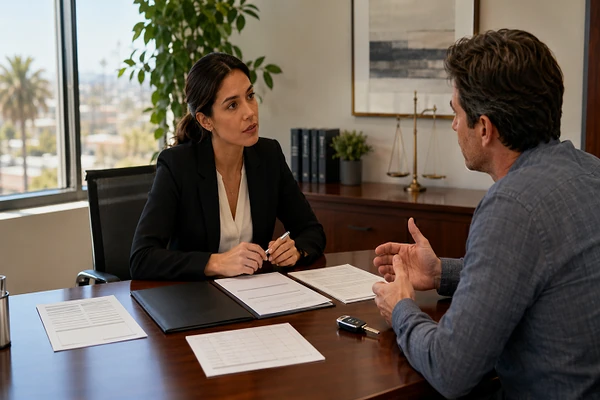
Turning Repair Records Into Evidence
Repair orders are central because they show what the driver reported, what the facility attempted, the mileage, and how long the vehicle remained out of service. Gaps and vague descriptions can make the record harder to interpret. Counsel can identify missing paperwork, compare symptoms across differently worded invoices, and build a chronology that reflects the underlying problem.
Consumers also benefit from understanding ordinary repair rights. The California Bureau of Automotive Repair explains documentation and authorization protections involving estimates, approvals, invoices, and replaced parts. Warranty work raises additional considerations, but accurate paperwork remains the foundation of a credible vehicle claim.
Evaluating Remedies and Offers
A qualifying matter may involve replacement, manufacturer repurchase, or another negotiated resolution. Each option has practical consequences. A repurchase can require analysis of the purchase price, loan payoff, taxes, registration charges, eligible incidental expenses, and a statutory mileage deduction. A keep-the-vehicle settlement requires consideration of future repairs, remaining warranty coverage, loan obligations, and release language.
The attorneys at Seven Law Group focus on helping California drivers evaluate these details before they accept a final agreement. The goal of a careful review is not to promise a result. It is to identify supported rights, challenge incomplete calculations where appropriate, and explain the risks and benefits of each available path.

Managing Communication and Procedure
Vehicle owners often spend months shuttling between a dealership, a manufacturer call center, a lender, and a rental provider. Counsel can centralize legal communication, preserve correspondence, present supporting documents, and respond to defenses. When a manufacturer asks for inspection, arbitration, pre-suit notice, or formal litigation, an attorney can explain the purpose, deadlines, and consequences.
Good representation should also keep the client informed. The driver needs to know which records are still required, whether the vehicle should return for another repair, how to handle ongoing payments, and what changes a proposed settlement entail. Clear expectations are especially important because timing and outcomes vary from one claim to another.
What Client-Centered Representation Looks Like
A driver should receive clear explanations without pressure or unrealistic promises. Counsel should discuss the strengths and uncertainties in the record, explain how fees may be handled, and confirm major decisions before acting. Clients also have responsibilities: provide complete documents, report new repairs, protect the vehicle, keep contact information current, and disclose prior accidents or modifications. A candid working relationship helps the legal team respond accurately and pursue a resolution aligned with the client’s priorities, whether that means returning the vehicle, considering replacement, or evaluating a keep-the-car offer. Regular status updates and prompt answers to practical questions can reduce uncertainty while the manufacturer reviews the claim and the consumer continues managing transportation, payments, repairs, and daily responsibilities.
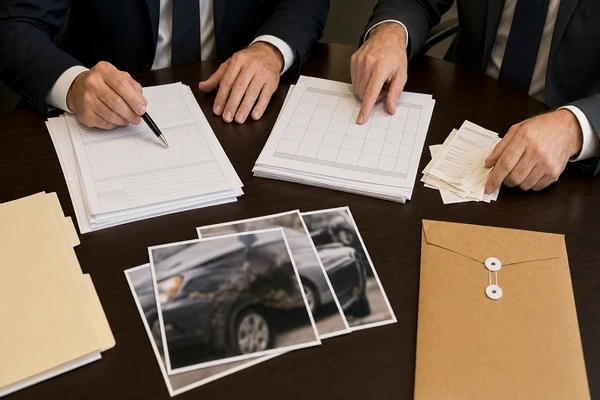
Preparing for a Free Case Evaluation
A productive consultation starts with the purchase or lease agreement, warranty booklet, registration, financing information, all repair orders, manufacturer messages, photos or videos, towing and rental receipts, and any written offer. A short timeline listing symptoms, mileage, repair dates, and days out of service can make the first review more efficient.
California drivers tired of recurring warranty issues can visit the firm’s website to request a free case evaluation. Bringing a complete file allows the legal team to assess the facts and explain appropriate next steps. This article provides general information and is not legal advice. Coverage, procedure, deadlines, remedies, fees, and outcomes depend on each matter and the law in effect.

Comments are closed.