
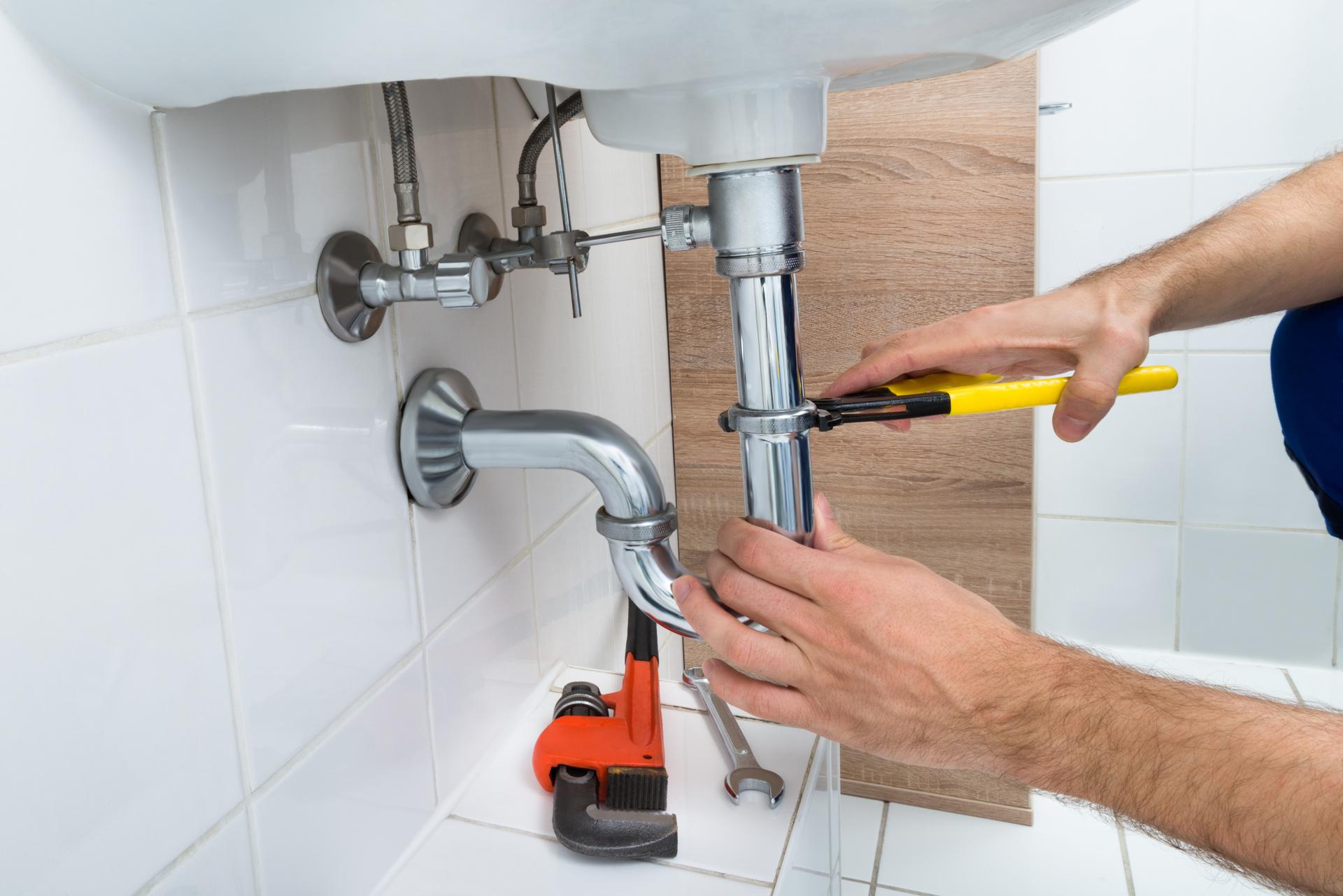
Plumbing is something you can not avoid. It is an essential part of your home. Your plumbing system is a complex network of pipes, fixtures, and appliances that work to eliminate waste and deliver clean water, helping you to serve your daily needs and make your home functional. Plumbing Lancaster offers full and high quality plumbing services. It involves building a new home or maintaining an old one. Understanding your home’s plumbing system can help make important decisions and identify potential problems. This guide highlights basic residential plumbing, along with cutting-edge technologies and industry best practices.
Knowing the Plumbing System in Your House
The supply line network, drainage system, and ventilation system make up the three primary plumbing systems in your house. Each is essential to maintaining the flow of water into and out of your home.
Supply Line Network
Clean water from your well or the municipal water supply is delivered to your house through the supply line network. Water is delivered to all of the various fixtures and appliances in your home by this system, which runs under pressure. It ensures that several fixtures may function simultaneously, storing enough water pressure and flow throughout the house.
Drainage System
The drainage system moves sewage and wastewater out of your home. Drain pipes use gravity to transfer water, unlike supply lines.Older homes may have cast iron drains, but these pipes are larger in diameter and usually composed of polyvinyl chloride (PVC) or acrylonitrile butadiene styrene (ABS) plastic in modern homes. Since the drain system depends on gravity, slopes are typically required for the drain pipes. Drain pipes should generally slope a quarter of an inch per foot to allow wastewater to flow properly.
Vents
By allowing air to enter the drainage system, vent pipes help to avoid vacuums that could impede or even halt water from flowing down your drain lines. To keep water seals in plumbing traps beneath your sinks and toilets from leaking and allowing sewer gases to enter your house, proper venting ensures that every fixture has its air supply.
Elements of Plumbing System
The modern plumbing system combines many elements that work together to manage water contribution and waste removal.
Pipes and Fittings
Pipes are the road of your plumbing system, carrying water to and from fixtures. Whereas fittings connect pipes and change direction or adapt pipe sizes. Copper, PVC, PEX, and ABS are common pipe materials. Fittings made specifically for each material provide safe, leak-proof connections.
Fixtures and Appliances
Sinks, toilets, showers, and bathtubs are examples of fixtures, which are the plumbing system’s endpoints. Your plumbing is also connected to appliances like washing machines and dishwashers. Water-saving measures are frequently incorporated into modern fixtures to encourage conservation.
For example, low-flow showerheads and dual-flush toilets can drastically cut water use without sacrificing functionality.
Valves and Shutoffs
Your plumbing system’s water flow is managed through valves. While separate fixture shutoffs enable localised repairs, the main shutdown valve can stop the water supply to the entire house. This capacity is necessary for your system to regulate water flow at different locations so that repairs and maintenance may be done without disturbing the rest of the home.
Selecting the Proper Plumbing Materials
Depending on their unique purposes and local building standards, certain components of your plumbing system may ask for different materials.
Designing a Plumbing Layout Plan
Significant water and energy savings are possible with a well-designed system. When creating your plumbing structure. Keep this in mind and implement that.
Plumbing is a complex profession. Maintain thorough records of all plumbing repairs performed in your house, including permits, inspections, and labour and material receipts.

Comments are closed.