
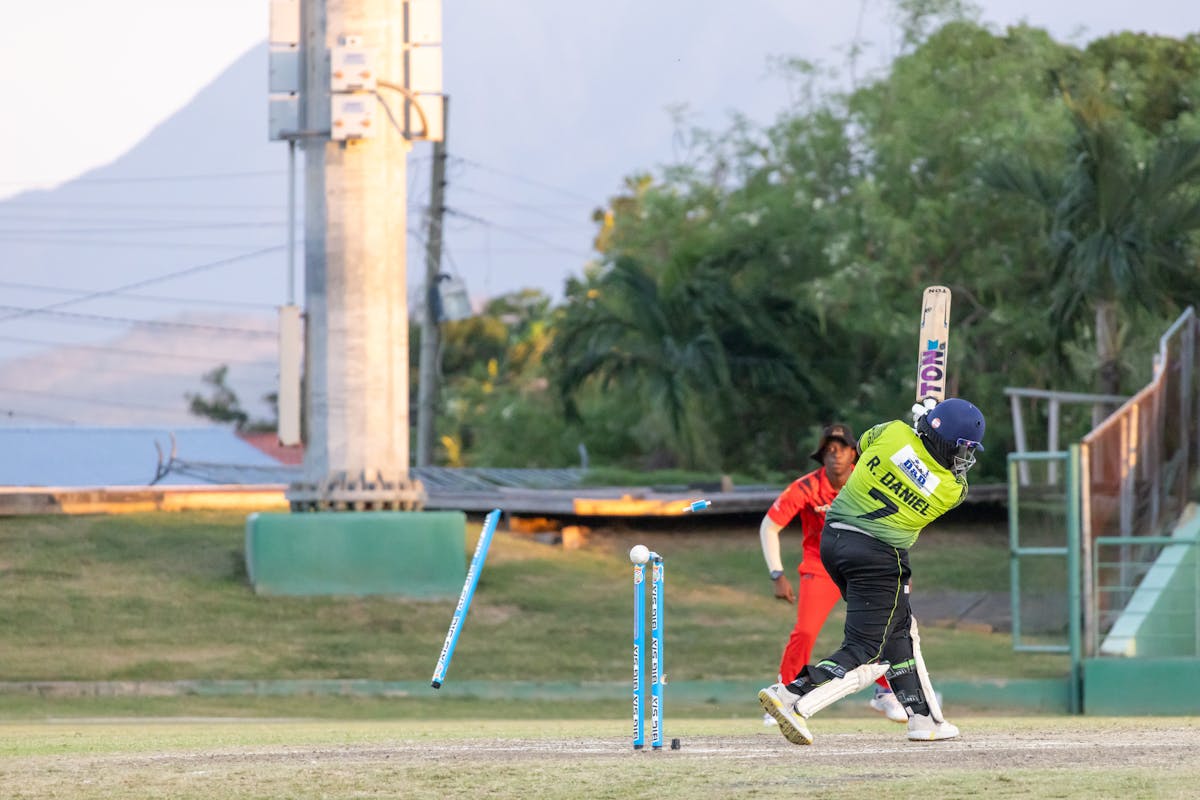
Cricket is one of the most exciting and rewarding sports to get involved in, whether you’re joining a local club, playing casually with friends or preparing for organised competition. While the rules of the game are fairly straightforward once you get the hang of them, knowing what you need before stepping onto the pitch is essential. From clothing to protective gear to the all-important bat and ball, having the right setup makes the game safer, more enjoyable and far more comfortable. If you’re wondering what you need to get started, this guide covers all the essentials.
Clothing and Footwear
The first step in preparing to play cricket is having the right clothing. Traditional cricket attire includes a breathable shirt, trousers and sometimes a jumper or long-sleeve top for cooler days. These garments are designed to keep players comfortable during long sessions and allow for full freedom of movement.
Footwear is equally important. Cricket shoes come in two main types: rubber-soled shoes for artificial or indoor pitches, and spiked shoes for natural turf. Good shoes provide grip, stability and support when batting, bowling and fielding—all crucial for reducing the risk of injury and helping you perform your best.
Essential Cricket Gear
Cricket involves powerful hits, fast bowling and close-in fielding, making the right protective gear absolutely essential. At a minimum, every player needs:
- A batting helmet
- Batting gloves
- Pads (leg guards)
- A box/abdominal guard
- A bat suited to their height and playing style
Those playing at competitive levels may also need arm guards, thigh guards or chest guards for additional protection. All of these items fall under the broader category of cricket equipment, which ensures players stay safe and protected while enjoying the game.
For bowlers, specialised shoes, finger tape and training aids can also be beneficial. Wicketkeepers require their own set of gloves and pads, designed specifically for the role.
The Cricket Bat and Ball
Two pieces of gear define the sport more than anything else: the bat and the ball. Cricket bats are traditionally made from high-quality willow and vary in size and weight depending on the player’s age and preference. A well-chosen bat can make a huge difference to comfort, control and power when playing shots.
Cricket balls come in several types, including leather balls for hard-ball cricket and softer training balls for beginners or junior players. Match balls must meet specific size and weight regulations, but training with softer options can help newer players build confidence before facing full-speed deliveries.
Optional but Useful Extras
Once you have your core gear sorted, there are some additional items that can enhance your experience:
- Grip spray or bat grips for better control
- Kit bags for transporting gear
- Sun protection such as caps and sunscreen
- Training stumps or cones for practice sessions
- A personal water bottle to stay hydrated during long matches
While not essential, these items help keep players organised, comfortable and better prepared for training or match day.
Final Thoughts
Getting started in cricket doesn’t have to be overwhelming. With the right clothing, protective gear, bat, ball and a few helpful extras, anyone can begin playing this fantastic sport confidently and safely. Whether you’re joining a club, attending your first training session or simply planning a friendly match with friends, having the proper equipment ensures you can enjoy the game to its fullest. Once you’ve gathered everything you need, all that’s left is to step onto the pitch and start playing.

Comments are closed.