
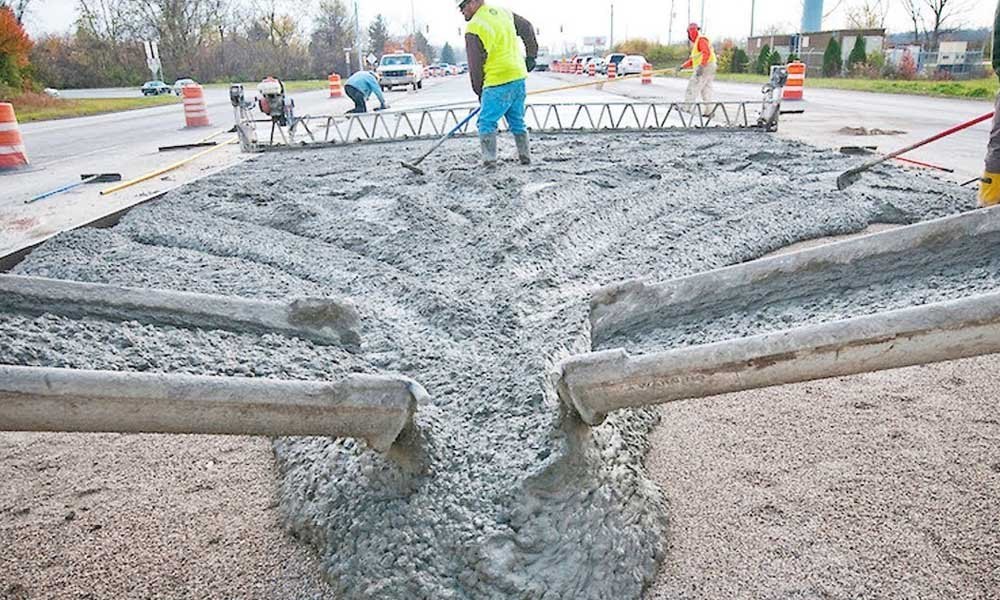
Soil stabilization plays a crucial role in construction projects, especially in regions with unique geological features. Hawaii presents a range of soil conditions, from volcanic ash to coral sands, which can challenge traditional building methods. Effective stabilization helps address these challenges, making it a valuable technique for builders in the state. This process improves the physical properties of soil, supporting the efficient development of infrastructure.
Enhanced Foundation Stability for Unique Soils
The islands are known for their diverse soil types, including expansive clays and loose sands. Soil stabilization offered by specialists like greenmarket solutions stabilization in Hawaii strengthens these soils, reducing the risk of shifting or settling beneath structures. This improvement provides a solid base for buildings, roads, and other infrastructure. As a result, construction projects can maintain their integrity over time, even in areas with challenging ground conditions.
Increased Load-Bearing Capacity for Heavy Structures
Many construction projects require the ground to support significant weight, such as multi-story buildings or industrial facilities. Ground stabilization increases the load-bearing capacity of the ground, allowing it to support heavier structures safely. This benefit is particularly important in Hawaii, where limited land availability often leads to the construction of large or multi-use buildings on compact sites. Enhanced load-bearing capacity ensures that these projects meet safety standards and remain durable throughout their lifespan.
Reduced Risk of Settlement and Structural Damage
Unstable soil can lead to uneven settlement, which may cause cracks or other structural issues. The stabilization process minimizes this risk by creating a more uniform and reliable base. This process helps prevent costly repairs and extends the life of buildings and infrastructure. In Hawaii, where construction costs are high and repairs can be complicated by remote locations, reducing the likelihood of settlement (shifting or sinking of the ground) is a significant advantage.
Improved Resistance to Erosion in Coastal Areas
The climate and geography of the islands expose construction sites to frequent rainfall and coastal conditions. These factors increase the risk of soil erosion, which can undermine foundations and damage completed projects. Soil stabilization techniques bind soil particles together, making them less susceptible to erosion from wind and water. This added resistance is particularly valuable in coastal communities and areas with steep slopes, helping to protect investments in infrastructure.
Cost Savings Through Reduced Material Needs
Stabilized soils require less imported fill material, which can lower transportation and material costs. The improved performance of the ground also reduces the need for ongoing maintenance or repairs. In Hawaii, where importing construction materials can be expensive, these savings are especially meaningful. Efficient use of local soils supports both the budget and the sustainability of construction projects.
Environmental Protection by Minimizing Soil Disturbance
Construction activities can disrupt natural habitats and contribute to environmental degradation. Soil stabilization helps limit the extent of disturbance by improving the properties of existing ground rather than replacing it. This approach reduces the impact on local ecosystems and supports compliance with environmental regulations. In Hawaii, where preserving natural beauty and biodiversity is a priority, minimizing disturbance is a responsible practice.
Lasts Long and is Highly Durable
The islands experience a range of weather conditions, including heavy rains, high humidity, and occasional storms. Stabilization enhances the durability of infrastructure, allowing it to withstand these environmental stresses. Projects built on stabilized soil tend to have longer service lives and require fewer repairs. This reliability is essential for public works, commercial developments, and residential communities across the state.
Soil stabilization offered by specialists like greenmarket solutions stabilization in Hawaii offers a range of benefits for construction projects, addressing the unique challenges posed by the region’s soils and climate. Enhanced foundation stability, increased load-bearing capacity, and improved resistance to erosion contribute to safer and more durable infrastructure. Cost savings and environmental protection further support the value of this approach.

Comments are closed.