

Category

Lifestyle

Category

Some gifts arrive quietly and stay longer than expected. Restaurant gift vouchers fall into that category. They don’t clutter shelves or fade with trends. Instead, they offer something many of us crave more than objects: time, attention, and the simple pleasure of sitting down to eat without rushing.

In recent years, restaurant gift vouchers have grown beyond last-minute solutions. They’ve become deliberate choices—ways of saying slow down, enjoy this, or let’s make a memory. Whether for birthdays, anniversaries, thank-yous, or moments that doesn’t need a label, they meet people where they are.

Why Restaurant Gift Vouchers Feel Personal

At first glance, a voucher might seem impersonal. But in practice, it’s often the opposite. A restaurant voucher gives freedom. It trusts the recipient to choose the place, the moment, and the company. That flexibility is what makes it feel thoughtful rather than generic.

Food has a unique emotional weight. Meals mark beginnings, endings, reconciliations, and quiet celebrations. When you give someone the opportunity to enjoy a meal out, you’re not choosing for them—you’re opening a door. They decide when to walk through it.

This is especially true when the choice spans many styles and locations. Platforms like Square Meal make it easier to gift experiences rather than fixed outcomes. From relaxed neighbourhood spots to destination dining, the range allows the gift to adapt to the person receiving it, not the other way around.

The Growing Appeal of Experience-Based Gifting

There’s been a clear shift in how we think about gifts. Many of us already have what we need. What we lack is time to pause and enjoy it. Experience-based gifting speaks directly to that gap.

Restaurant gift vouchers fit neatly into this change. They don’t demand storage space or long-term commitment. They offer something immediate yet unforced. The experience happens when it’s wanted, not when it’s handed over.

The Range of Dining Experiences You Can Gift

One of the strengths of restaurant vouchers is their adaptability. They can suit almost anyone, because dining itself takes many forms.

Some people love atmosphere—busy rooms, open kitchens, and the feeling of being in the middle of something alive. Others prefer quiet tables, familiar dishes, and the comfort of predictability. A good restaurant voucher doesn’t force a preference. It allows discovery or reassurance, depending on what’s needed.

In cities, vouchers might lead to tasting menus, chef-led counters, or contemporary spaces where food feels like performance. Outside urban centres, they often guide people toward slower meals—local produce, seasonal menus, and long conversations that stretch past dessert. Both experiences matter. Both nourish in different ways.

Making a Restaurant Voucher Feel More Considered

A small amount of context can transform a voucher. A short note, even a simple one, can anchor the gift emotionally. Something like, “Thought this might be a nice excuse for a proper night out,” or “For whenever you feel like slowing down.”

You can also suggest gentle pairings. A walk before dinner. A nearby exhibition. A change of scenery. For those who enjoy mixing food with time outdoors or cultural spaces, organisations like the National Trust offer inspiration for days built around place rather than pace:

These additions aren’t instructions. They’re invitations. They say: this is yours to shape.

How Restaurants Are Rethinking the Gift Experience

Restaurants themselves have started to treat vouchers as part of the experience, not just a transaction. Many now design vouchers with the same care they give their menus—thoughtful visuals, warm language, and flexible options.

Some offer vouchers tied to specific experiences, like afternoon tea, seasonal tasting menus, or chef’s tables. Others keep things open-ended, trusting guests to choose. Both approaches work, depending on the person receiving the gift.

What matters is intention. When a restaurant respects the moment a gift represents, it shows. And when that care carries through to the meal itself, the experience feels complete.

A Gift That Leaves Space Rather Than Pressure

Perhaps the most underrated quality of restaurant gift vouchers is that they don’t rush anyone. There’s no expectation to use them immediately. They sit quietly, waiting for the right time.

That patience is part of their value. Life rarely slows down on command. A voucher acknowledges that and offers something ready when the moment arrives.

In a world that often pushes us to do more, faster, restaurant gift vouchers gently suggest the opposite. Sit. Eat. Talk. Stay a little longer. Those simple acts, repeated enough, become the moments we remember.
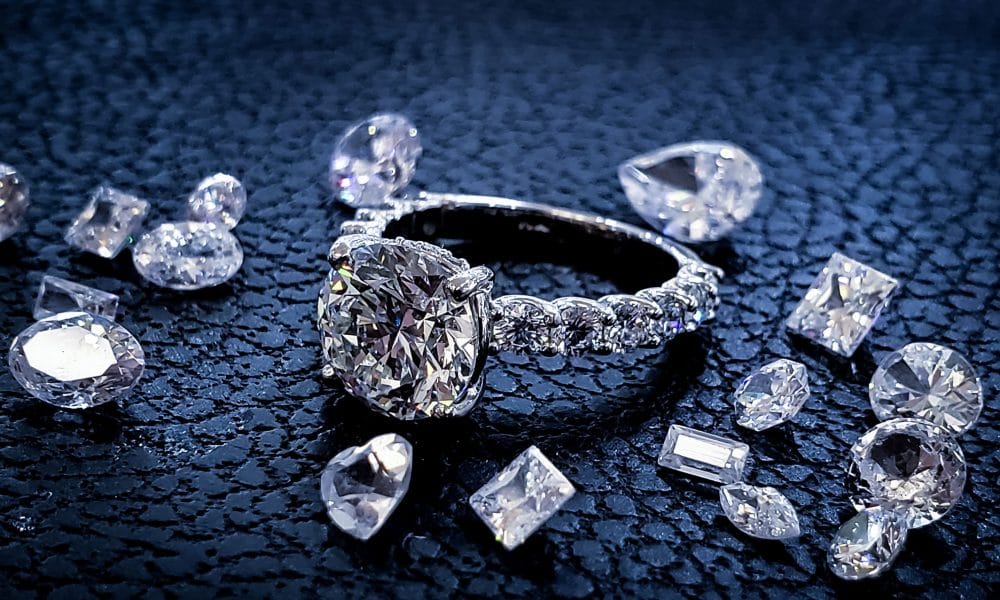
When it comes to engagement rings, gold and platinum have long been the go-to metals for their durability, luster, and timeless appeal. However, as couples seek unique and personalized options for their special moment, alternative metals like palladium and titanium are gaining popularity. These metals offer distinct advantages and aesthetic qualities that make them compelling choices for modern engagement rings.

Palladium, a member of the platinum group of metals, is an excellent alternative to traditional choices. It shares many characteristics with platinum, such as its silvery-white appearance and exceptional resistance to tarnish and corrosion. However, palladium is notably lighter, making it a comfortable option for daily wear. This metal’s hypoallergenic properties also make it an ideal choice for individuals with sensitive skin. In addition, palladium’s durability ensures that engagement rings crafted from this metal can withstand the rigors of everyday life, maintaining their beauty over time.

One of the significant advantages of palladium over gold and platinum is its cost. Palladium is generally more affordable than platinum, offering a luxurious look without the premium price tag. This cost-effectiveness allows couples to allocate more of their budget to other aspects of the ring, such as a larger or higher-quality gemstone. Furthermore, palladium’s increasing popularity has led to a broader range of design options, making it easier for couples to find or create the perfect ring.

Titanium, another alternative metal gaining traction, is renowned for its remarkable strength and lightweight properties. Unlike traditional metals, titanium is exceptionally resistant to scratches and dents, ensuring that engagement rings made from this material remain pristine even after years of wear. This durability makes titanium an excellent choice for individuals with active lifestyles or occupations that require their rings to endure more wear and tear.

In addition to its practical benefits, titanium offers a sleek, modern aesthetic that appeals to contemporary tastes. Its natural gray hue can be polished to a high shine or treated to achieve a variety of finishes, including matte and brushed. This versatility allows for a wide range of design possibilities, from minimalist bands to intricate, custom creations. Titanium can also be combined with other materials, such as gold or gemstones, to create striking contrast and unique designs that stand out from traditional engagement rings.

Another appealing aspect of titanium is its hypoallergenic nature. Like palladium, titanium is unlikely to cause allergic reactions, making it a suitable option for individuals with metal sensitivities. This quality ensures that the ring can be worn comfortably and without concern for skin irritation.

As environmental and ethical considerations become increasingly important to consumers, both palladium and titanium offer advantages in terms of sustainability. Palladium mining has a smaller environmental footprint compared to gold and platinum, and recycling of these metals is more straightforward, reducing the need for new mining. Titanium is abundant and its extraction process has a relatively low environmental impact, making it an eco-friendly choice for conscientious couples.

In conclusion, while gold and platinum remain popular choices for engagement rings, alternative metals like palladium and titanium offer unique benefits that cater to modern preferences and lifestyles. Palladium’s affordability, durability, and hypoallergenic properties make it an attractive option, while titanium’s strength, lightweight nature, and contemporary appeal provide a compelling alternative. As couples continue to seek personalized and meaningful ways to symbolize their commitment, these metals offer exciting possibilities that go beyond traditional choices. Whether prioritizing cost, comfort, durability, or environmental impact, palladium and titanium provide beautiful and practical solutions for today’s engagement rings.

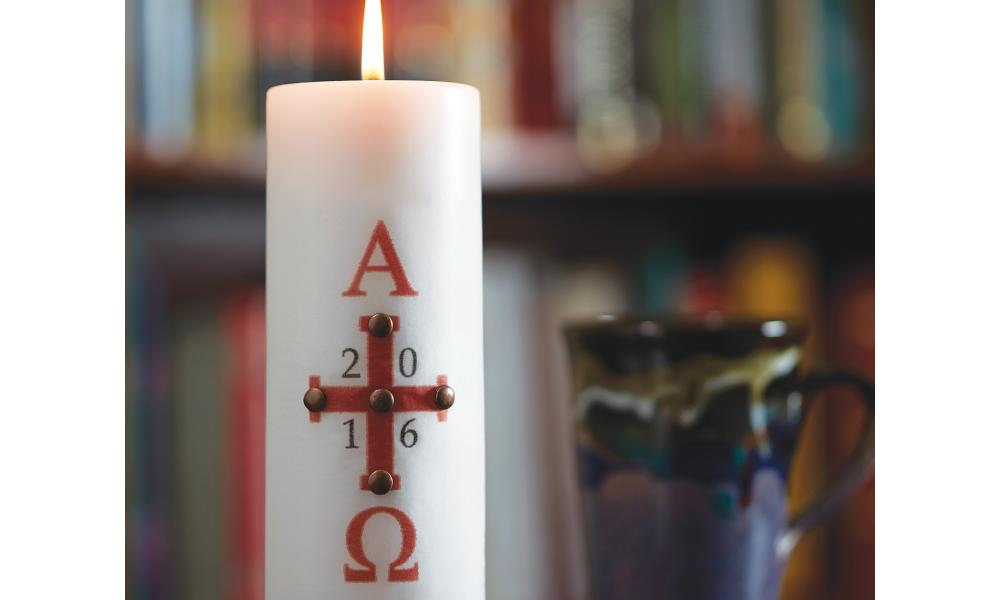
Church candles are lit during religious ceremonies to establish a spiritual environment. Each candle species has a particular application and can be found in many different shapes and sizes. Many kinds of rituals are observed in most Churches throughout the year, and a unique candle is needed for every ceremony.

You can buy Orthodox candles from Candles Fantasy that meet the best quality standards and can burn for as long as 120 minutes. These candles are usually made from beeswax, preferred meditations and other rituals in orthodox churches. Due to their honey fragrance, a special atmosphere is created.

Is it necessary to use white and 100% beeswax in Orthodox churches?

Traditional tapered candles were typically made of pure beeswax, although 51% of beeswax candles were also common. Glass-enclosed lights primarily used oil candles, but these days, many opt for wax candles in glass holders.

Many non-beeswax candles today are made from petroleum-based materials, emitting oily odour and soot. Recycled wax candles are less common.

Saint John Monastery in Hiram, OH, produces high-quality, affordable, 100% pure beeswax candles, favoured for their purity and reasonable cost, making them a popular choice for religious ceremonies and rituals.

Is there any other purpose for candles?

While lighting candles, a particular offer is made to the church, which is not only for beautifying a specific icon but also a symbol of the house of God. Usually, it is a tradition to offer pure beeswax while offering to any orthodox church.

When such waxes are used in the churches?

Candles are used by churches all year long for a variety of celebrations and festivities. The following are a few examples of when candles are lit most frequently:

  • Baptism – Tapers can be used during the baptism ceremony to light up your baptism font.
  • Weddings – Tapers signify the entry to the wedding ceremony, and votive candles are frequently placed on the bride and groom’s table.
  • Funerals – Tapers will line the direction to the casket.
  • Christmas Eve mass – Taper candles are arranged around, atop, or behind the altar.
  • All Souls’ Day (November) – To remember those who passed away without getting a priest’s blessing during their lives, lanterns and tapers are lit.
  • Candlemas (February) – Candles honour the triumph of light over gloom and winter over spring.
  • Palm Sunday – After Mass, palm leaves are distributed to worshipers as a blessing and a memory of Jesus’ entry into Jerusalem just days before his crucifixion. Tapers are put into the top of the fronds.

During religious rituals, high-quality church candles are utilized in various ways. On the altar, tapers are lighted before being transferred to the congregation, who will light them using the previous candle’s flame.

Pillar candles are frequently utilised on the altar or in front of the church. Conical tapered spiral candles symbolize the flames of the Holy Spirit.

Whatever your requirements, you require a church supplier who can give you the appropriate candles. When you need candles for a specific event, finding the best ones on sale is crucial.