
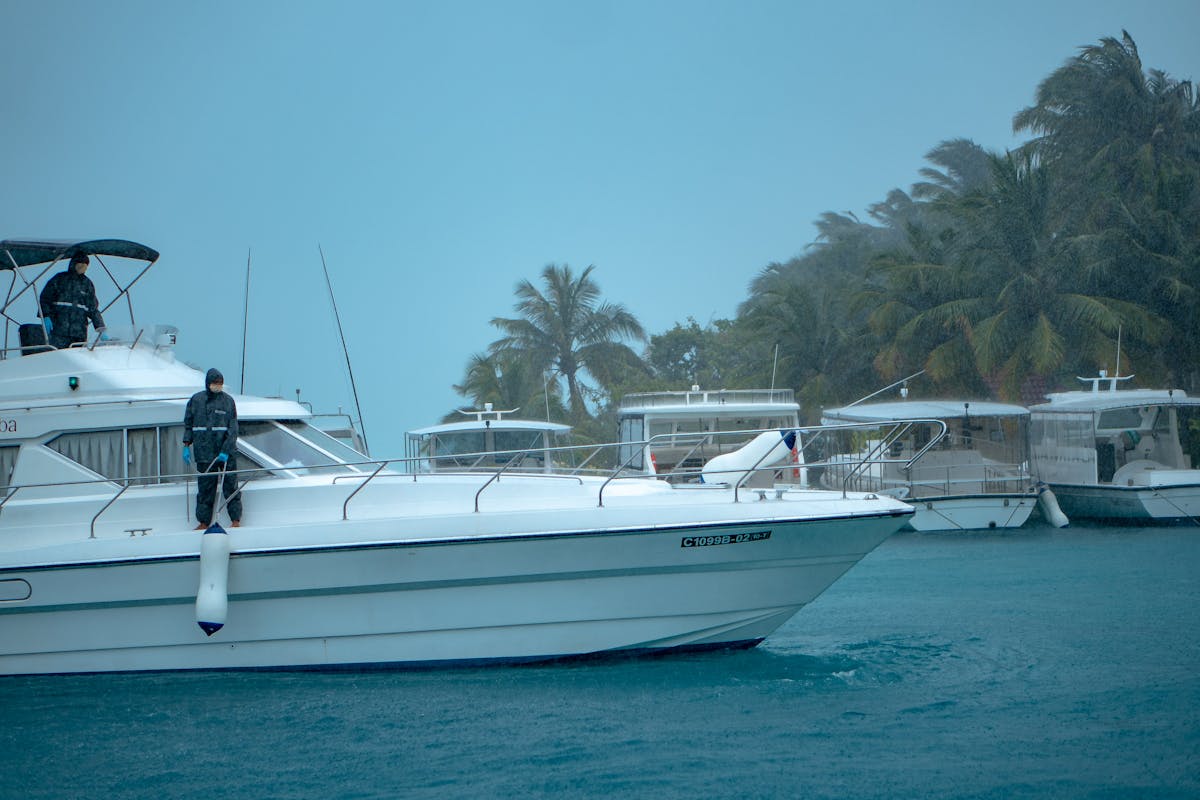
Working on a yacht is a dream career for many people. It offers the chance to travel the world, earn a competitive income, and live a lifestyle that’s anything but ordinary. From cruising the Mediterranean to exploring the Caribbean, yacht crew roles combine hard work with unforgettable experiences.
If you’re wondering how to break into the industry, the good news is that you don’t need years of maritime experience to get started. What you do need is preparation, the right qualifications, and a clear understanding of how the industry works. This guide will walk you through the essential steps to start working on a yacht.
Understand the Different Yacht Crew Roles
Before applying for jobs, it’s important to understand the types of roles available on yachts. Most first-time crew members start in entry-level positions, which allow you to gain experience and work your way up.
On the interior, roles include steward or stewardess positions. These focus on guest service, housekeeping, laundry, and assisting with food and drink service. If you have experience in hospitality, hotels, or customer service, this can be a great fit.
On the deck, deckhands are responsible for cleaning and maintaining the exterior of the yacht, handling lines, assisting with docking, and helping with water sports equipment. This role is more physical and suits people who enjoy working outdoors.
There’s also the engineering and galley side, but these usually require specific qualifications or professional experience. Most newcomers start on deck or interior and move into specialized roles later.
Get the Required Certifications and Training
You can’t legally work on a yacht without the correct certifications, even for entry-level roles. The most important qualification is the STCW, which covers basic safety training such as fire fighting, first aid, sea survival, and personal safety.
You’ll also need a valid seafarer medical certificate, often referred to as an ENG1. This confirms you’re medically fit to work at sea and is mandatory for most yacht employers.
While not always required, additional short courses can improve your chances of getting hired. Powerboat licenses, hospitality training, or silver service courses can make your CV stand out, especially if you’re competing for your first role.
Create a Strong Yacht CV and Personal Profile
A yacht CV is different from a standard land-based resume. It should be clear, concise, and ideally limited to one page. Include a professional photo, your physical details such as height and nationality, certifications, and any relevant work experience.
Even if you’ve never worked on a yacht before, don’t worry. Transferable skills are highly valued. Experience in hospitality, cleaning, customer service, construction, mechanics, or sports can all be relevant depending on the role you’re applying for.
In addition to your CV, many employers will look at your online presence. A professional attitude, positive references, and a willingness to learn go a long way in an industry built on trust and teamwork.
Find Jobs and Break Into the Industry
Once you’re qualified and have a strong CV, it’s time to start applying for work. Many crew members register with a yacht crew agency to access job listings, get guidance on CVs, and be matched with suitable yachts. These agencies often work directly with captains and yacht managers, making them a valuable resource for newcomers.
Dock walking is another common method, especially in yachting hubs like Antibes, Palma, or Fort Lauderdale. This involves visiting marinas in person, handing out CVs, and introducing yourself to crew and captains. While it can feel intimidating, it’s a proven way to land day work or temporary roles that can lead to permanent positions.
Networking is also crucial. The yachting industry is surprisingly small, and recommendations matter. Be professional, reliable, and positive in every interaction—you never know who might help you get your next job.
What Life Is Really Like on a Yacht
While the lifestyle can be exciting, it’s important to have realistic expectations. Yacht work involves long hours, shared living spaces, and high standards. You’ll need to be adaptable, hardworking, and able to take direction.
That said, the rewards can be significant. Many yacht crew save a large portion of their income due to low living expenses, and the opportunity to travel to incredible destinations is unmatched. For those who commit to the lifestyle, yachting can become a long-term and highly fulfilling career.
Final Thoughts
Starting work on a yacht may seem daunting at first, but thousands of people successfully enter the industry every year with no prior maritime experience. By understanding the roles, getting the right training, presenting yourself professionally, and actively seeking opportunities, you can turn your goal into reality.
Whether you’re looking for adventure, career growth, or a complete change of pace, working on a yacht offers a unique path that few other industries can match. With preparation and persistence, your first role at sea could be closer than you think.

Comments are closed.